Earlier today, leaked schematics showed the upcoming Samsung Galaxy A05 with two rear cameras and the A05s with three. In a previous listing on Google Play Console, the A05 was also spotted with two rear sensors. There are some renders today that appear to be official promo images for the A05, showing the device in all its colors.
Samsung is planning to offer the Galaxy A05 in black, silver, and light green – these aren’t the official names, of course.
According to the renders, the handset will have a 50 MP main camera, a 2 MP depth sensor, and an 8 MP selfie camera. It also has a pretty noticeable ‘chin’ under the display. Unsurprisingly, you can also play games on this phone.
A Geekbench run done in early August revealed that the device is likely to use the MediaTek Helio G85 chipset.
Specs:
The new Galaxy A05 sports a 6.7-inch HD+ Infinity-V PLS LCD display with a 90Hz refresh rate. It also comes with Corning Gorilla Glass on top. The new Galaxy A05 is powered by an Helio G85 SoC 2.0 GHz Octa-Core processor coupled with 6GB/4GB/8GB RAM & 32GB/64GB/128GB internal storage.
On the back, the Galaxy A05 features dual rear cameras with a 50MP main sensor having an aperture of f/1.8 and a 2MP depth sensor with an aperture of f/2.4 and LED flash. There is an 8MP selfie shooter with an aperture of f/2.2.
All this is packed with a larger 5000 mAh battery and comes with 25W fast charging support. The new Galaxy A05 runs on Android 13 with One UI 5.1 Core on top. The device also keeps a 3.5 mm jack, USB Type-C port, FM Radio, Bluetooth 5.0, Wi-Fi, A-GPS, and GLONASS, and also has a side-mounted fingerprint scanner.
Realme, India’s Most Reliable Smartphone Service Provider, announced the rollout of realme UI 5.0 powered by Android 14. The realme GT2 Pro will be among the first devices worldwide to receive the realme UI 5.0 upgrade.
Realme UI 5.0 will have significant improvements in privacy security, performance, and design over realme UI 4.0. This update will provide a more natural, gentle, and clearer colour style. Realme UI 5.0 Early Access will also feature new ringtones and smoother system animations.
Battery life has been improved, PIN privacy has been enhanced, and much more has been added to Android 14. The new Android 14 version will improve user experience by taking some additional steps to protect user privacy, as well as adding security-related changes and accessibility features.
In addition, it introduces great new APIs and features for developers, such as Per-app language preferences, Grammatical Inflection API, and Regional preferences. The system share sheet in Android 14 now supports custom app actions and provides more detailed preview results.
Early Access is your ticket to experience realme UI 5.0 before its official release. As early software, there may be bugs, and some apps may not function properly. It is recommended that you do not install Early Access on your primary phone.
How soon will realme UI 5.0 Early Access begin?
On September 21, 2023, the application channel will open. Only a limited number of seats are available, and applications will be accepted in batches.
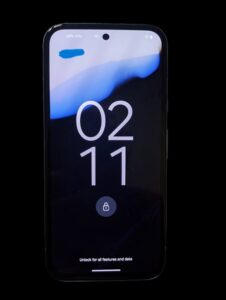
The process has already begun. In the weeks leading up to the Pixel 8’s debut, an unexpectedly early leak of the Google Pixel 8a has already surfaced.
In an early look at the Google Pixel 8a, @yabhishekhd posted images on Twitter/X this morning, possibly the earliest look at a Google smartphone in hands-on images. According to the leak, the device has two cameras in a pill-shaped cutout and has a blue color similar to the Pixel 8 Pro leak.
Furthermore, the images show the phone’s updated shape, which is much rounded in the corners compared to the existing Pixel 7a, and more in line with the rest of the Pixel 8 series. Metal on the side of the phone has a matte finish, while the back has a glossy finish, similar to the Pixel 7a.
A picture of the front of the device shows the display, which has rounded corners and large bezels by modern standards. In this regard, PIxel A-Series devices have historically had compromises, which is to be expected.
According to reports, Pixel 8a will run on a Tensor G3 chip and carry the codename “Akita.” It first appeared in a leaked roadmap of Google’s Pixel plans.
A lawsuit uncovered this week revealed Microsoft’s plans to redesign the Xbox Series X, dubbed “Lockhart” internally. As indicated in the same court documents, the company is also developing a portable gaming console.
Although specifics are limited, it appears to follow the design trend of current-gen handhelds like the Nintendo Switch and Steam Deck.
The release date is uncertain, but it’s likely to coincide with other Microsoft hardware releases, including the digital Xbox Series X and a cloud-based gaming device. It is clear that Microsoft’s goal is to increase sales and diversify its hardware offerings.
It is interesting to note that this move sets the stage for fierce competition in handheld consoles. It’s a big week for Sony as it launches PlayStation Portal, Nintendo has its successful hybrid Switch and its rumored successor, and Steam Deck is making waves.
Microsoft’s gaming software plans were also revealed in the leaked documents. Among the games coming out are remasters of beloved titles such as Fallout 3 and Oblivion, a new Doom title, and Dishonored 3.
Redmi today unveiled the latest Redmi Note 13 series phones and Redmi Pad SE in China. Redmi Buds 5 was also unveiled at the event. Despite its low price, the successor to the Redmi Buds 4 boasts impressive specs, including 46db noise cancellation and a long-lasting battery life of 40 hours. An ergonomic design and Bluetooth 5.3 connectivity round out the features of the earbuds.
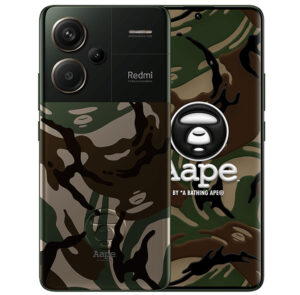
A stemmed design distinguishes the Buds 5 from the Redmi Buds 4. You can choose from black, light blue, or white earbuds. In collaboration with clothing brand AAPE, Xiaomi also released a special edition of the earbuds.
Redmi Buds 5 features flagship-grade noise cancellation of up to 46 dB. There are three levels of noise reduction depth and a three-level transparency mode on the earbuds with a frequency range of 2kHz wideband. In addition to the dual mic AI noise cancellation, the hearables have a built-in speaker. With the Xiaomi Earbuds app, you can configure the new Redmi earbuds using Bluetooth 5.3.
Redmi Buds 5 features an independent acoustic chamber and a 12.4mm extra-large high-polymer titanium-plated diaphragm. Furthermore, the earbuds have been certified by Netease Cloud Music as hardware. The Redmi Buds 5 is claimed to offer 40 hours of playtime (with the case). With just 5 minutes of charging, the earbuds should provide 2 hours of music playback.
The Redmi Buds 5 are priced at 199 Yuan (Rs.2300/-) in China. Earbuds in the AAPE edition cost 299 Yuan (Rs.3500/-).
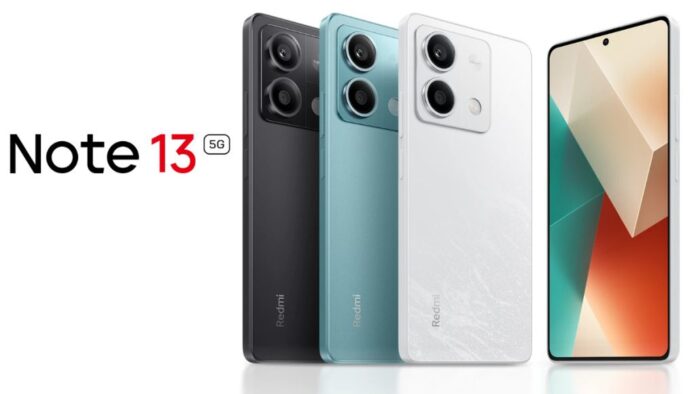
Several new Xiaomi devices were unveiled today. It also quietly announced the Redmi Note 13 that hadn’t been teased before today’s event. Compared to the Pro and Pro+ models, the Note 13 base model packs a bare-bones specification. As the successor to last year’s Note 12, the Note 13 features incremental upgrades.
Redmi Note 13 5G:
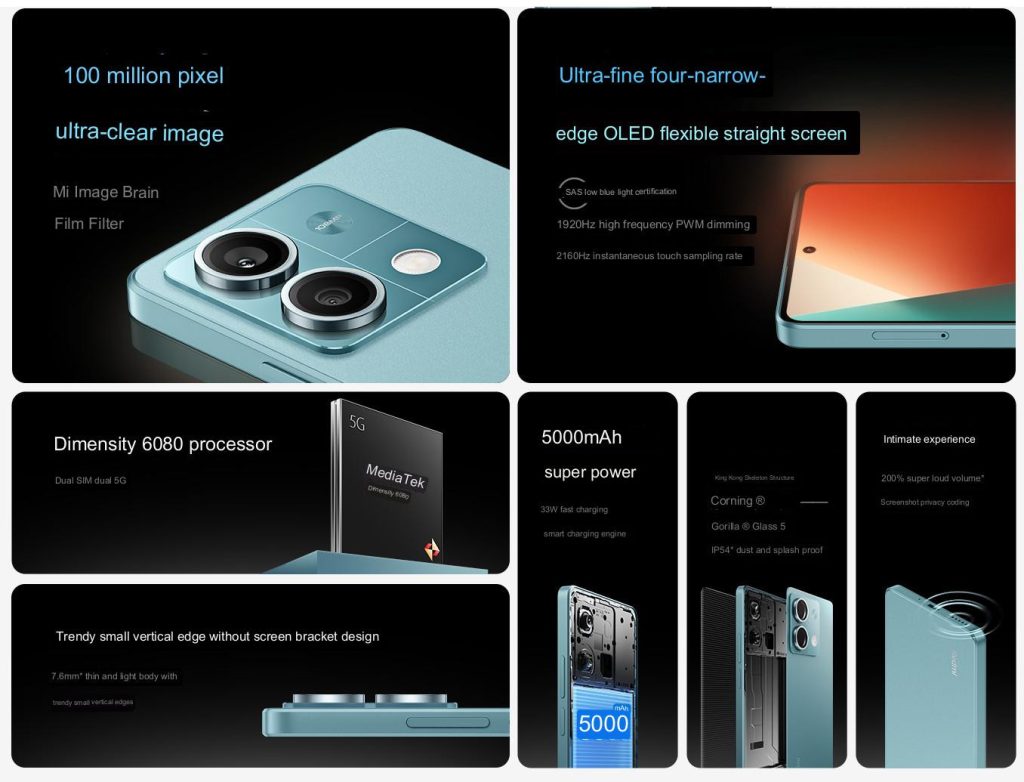
Redmi Note 13 5G features a 6.67-inch Samsung AMOLED display with a resolution of 2400 x 1080 pixels (FHD+) and, a 120Hz refresh rate. It also features 1920Hz high-frequency PWM dimming, 10-bit color depth & 1000 nits of peak brightness. The device features Corning Gorilla Glass 5 protection on top.
The Redmi Note 13 5G is powered by Dimensity 6080 SoC coupled with 6GB / 8GB / 12GB RAM & 128GB/256GB internal storage. On the rear, it features a 108MP primary camera and a 2MP depth sensor. For selfies and video calls, it has a 16MP camera on the front.
It comes with a side-mounted fingerprint sensor, an IR blaster, and a 3.5mm headphone jack. Among its connectivity options are dual SIM, 5G, dual-band WiFi, Bluetooth 5.3, GNSS, and USB Type-C. It is dust and splashproof with IP54 rated. The device runs on Android 13 with MIUI 14 on top.
Additionally, the device features a 5,000mAh battery and support for 33W fast charging.
Pricing:
There are three colors available for the Redmi Note 13 5G: Sand White, Midnight Black, and Time Blue. Redmi Note 13 with 6GB+128GB costs 1199 Yuan (Rs.13,799/-), 1299 Yuna (Rs.15,000/-) for 8GB+128GB, 1499 Yuan (Rs.17,400/-) for 8GB+256GB & 12GB+256GB at 1699 Yuan (Rs.19,700/-).
As a successor to last year’s Redmi Note 12 series, Xiaomi launched the Redmi Note 13 series today in China. Despite the Pro+ variant’s significant upgrades, the Note 13 Pro and Note 13 also feature notable improvements. The Xiaomi sub-brand also announced a tablet and TWS earphones.
Redmi Note 13 Pro series:
The new Redmi Note 13 Pro will sport a 6.67-inch 1.5K AMOLED display with a 120Hz refresh rate. Whereas the Redmi Note 13 Pro Plus with 6.67-inch 1.5K AMOLED curved display with a 120Hz refresh rate. It will have a peak brightness of 1600/1800 nits and supports 10-bit colors, Dolby Vision, HDR10, and HDR10+. Both of them come with Corning Gorilla Glass Victus on top & in-display fingerprint scanner.
Redmi Note 13 Pro Plus is powered by the new MediaTek Dimensity 7200 Ultra SoC whereas the Redmi Note 13 Pro comes with the latest Snapdragon 7s Gen 2 processor. Both are coupled with 8GB/12GB/16GB RAM and 128GB/256GB/512GB storage space.
The Redmi Note 13 Pro & Pro+ will feature a new 200MP Samsung HPX sensor (f/1.65) with OIS support. The remaining two sensors are the same with 8MP ultra-wide and 2MP macro sensors. Both the devices will ship with a 16MP selfie shooter. It also features IR Blaster support & IP54 rated on the Note 13 Pro whereas IP68 rated on the Note 13 Pro+.
The connectivity options include dual SIM, 5G, Wi-Fi 6, Bluetooth 5.1, GPS, NFC, a USB-C port, a linear motor, dual stereo speakers, and a 3.5mm audio jack. The Redmi Note 13 Pro & Redmi Note 13 Pro Plus packs 5000/5100 mAh battery with 67W and 120W fast charge support respectively.
All the devices still run on Android 13 OS with MIUI 14 on top.
Pricing:
The new Redmi Note 13 Pro with 8GB+128GB costs 1499 Yuan (Rs.17,400/-), 8GB+256GB at 1599 Yuan (Rs.18,500/-) & 12GB+512GB at 1999 Yuan (Rs.23,100/-). Lastly, the top-end with 16GB+512GB costs 2099 Yuan (Rs.24,200/-) in China.
The Redmi Note 13 Pro Plus with 12GB+256GB costs 1999 Yuan (Rs.23,100/-) & 12GB+512GB at 2199 Yuan (Rs.25,100/-). The top-end 16GB+512GB at 2299 Yuan (Rs.26.150/-).
The latest addition to Acer’s gaming laptop lineup is the Nitro V. It comes with advanced features and performance upgrades that aim to make gaming better. Featuring a dedicated 6GB GDDR6 VRAM NVIDIA GeForce RTXTM 4050 graphics processing unit. It has a refresh rate of 144Hz, ensuring seamless gameplay. Additionally, the 3ms overdrive response time maximizes immersion during gaming. In addition to the Nitro V, you’ll also get NVIDIA GeForce RTXTM 3050 and NVIDIA GeForce RTXTM 2050, which will be available later.
Nitro V is powered by a 13th Gen Intel Core i5 processor, which ensures seamless multitasking and lightning-fast processing. An immersive visual experience is provided by this laptop’s stunning 15-inch display with IPS (In-Plane Switching). Using dual-fan, dual-intake cooling, the Nitro V eliminates throttling and maximizes CPU and GPU utilization, ensuring peak gaming performance.
The Nitro V laptop focuses on Artificial Intelligence (AI). Powered by AI, it has Acer Purified View and Purified Voice noise reduction. With this technology, gamers can experience the virtual world with exceptional sound precision, like being at the helm of a spaceship.
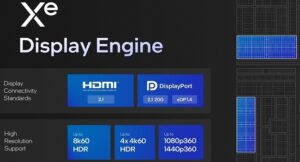
It also has Wi-Fi 6, HDMI 2.1, and Thunderbolt 4 support. The functionality makes connecting to external displays and peripherals easy, ensuring a seamless and uninterrupted gaming experience. Additionally, the laptop’s DDR5 storage slots and memory slots make it faster to access and transfer data.
Nitro V starts at Rs.76990 and is available at all Acer stores, the Acer online store, Amazon, Flipkart, and multi-brand stores.
Wearables and hearables company Hearmo introduces the New GeN HearFit VS Smartwatch. Hearmo unveils a smartwatch that seamlessly blends premium design and unmatched functionality. With its ultra-slim 8mm profile, 1.9″ bezel-less display, and Bluetooth calling capabilities, this timepiece sets the standard for modern lifestyle accessories.
It has an 8mm ultra-slim profile, setting a new standard for elegance in wearable technology. Metal alloy body exudes sophistication while ensuring exceptional comfort all day long.
This smartwatch’s 1.9″ bezel-less display delivers vivid, crisp visuals, enhancing your viewing experience with 240×285 resolution and 201 PPI. Featuring 600-nit brightness and sleek grey color options, the GeN HearFit VS Smartwatch is the epitome of style and performance.
Keep in touch with Bluetooth calling. Stay in touch, answer calls, check messages, and stay in touch on the go. Easily match your watch to your outfit or mood with multiple standby watch faces.
Stay on top of your health goals with comprehensive monitoring capabilities, including heart rate and blood pressure tracking and sleep analysis.
Pricing:
Now available on Amazon and in offline retail outlets across India at an exclusive launch price of INR 2499/-, the Hearmo New GeN HearFit VS Smartwatch is just 6,999/-. Furthermore, the box comes in 99.99% eco-friendly packaging, showing Hearmo’s commitment to the environment.
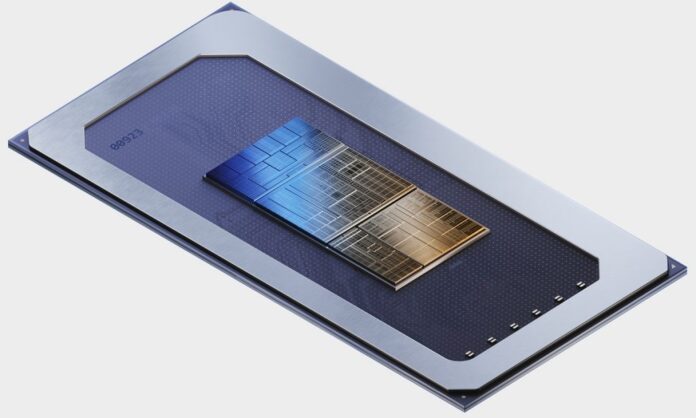
Recently, Intel hosted its third annual Innovation Event and unveiled Meteor Lake, a client platform that lets you democratize artificial intelligence across all kinds of workloads, from client devices to edge, network, and cloud.
Progress in Silicon Innovation
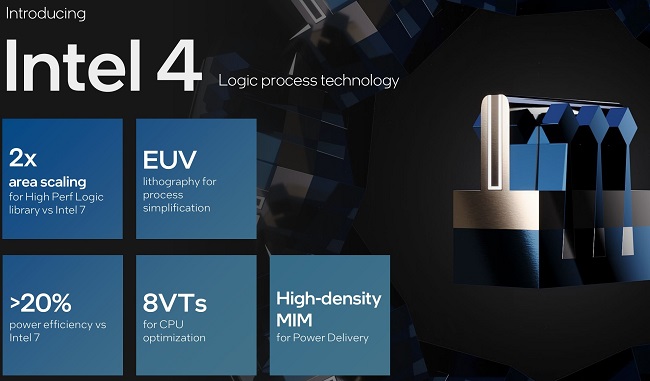
With its “five-nodes-in-four-years” program, Intel is making strides in silicon innovation. At the moment, Intel 7 is in high-volume production, Intel 4 is manufacturing-ready, and Intel 3 will be available by the end of the year.
The company showcased an Intel 20A wafer with test chips for its Arrow Lake processor, slated for release in 2024. The Intel 20A introduces PowerVia and RibbonFET to enhance power delivery. The Intel 18A, which incorporates these technologies, will be ready in 2024.
Materials and packaging innovations
As Moore’s Law continues to extend, Intel introduced glass substrates for data-intensive AI workloads. As well, Intel presented a test chip package using Universal Chiplet Interconnect Express (UCIe), a standard that allows chipsets from different vendors to collaborate on AI workloads. This open specification is supported by more than 120 companies.
Meteor Lake’s Transformation
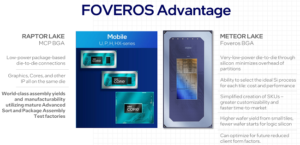
The upcoming client mobile platform, Meteor Lake, moves away from the Intel 7 node to Foveros 3D packaging with EUV lithography.
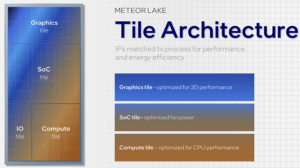
Meteor Lake breaks CPU functions down into four tiles: compute, graphics, SoC, and I/O. There’s also a Neural Processing Unit (NPU) for AI workloads and LP E-cores for power-efficient tasks.
Performance results and new developments in AI
The recent MLPerf AI inference performance results show Intel’s dedication to AI. Intel’s Gaudi2 accelerator handles complex AI tasks well, as shown in these results.
We’re building an AI supercomputer powered by Intel Xeon processors and 4,000 Intel Gaudi2 AI hardware accelerators for Stability AI.
Next-Gen Intel Xeon Processors Preview
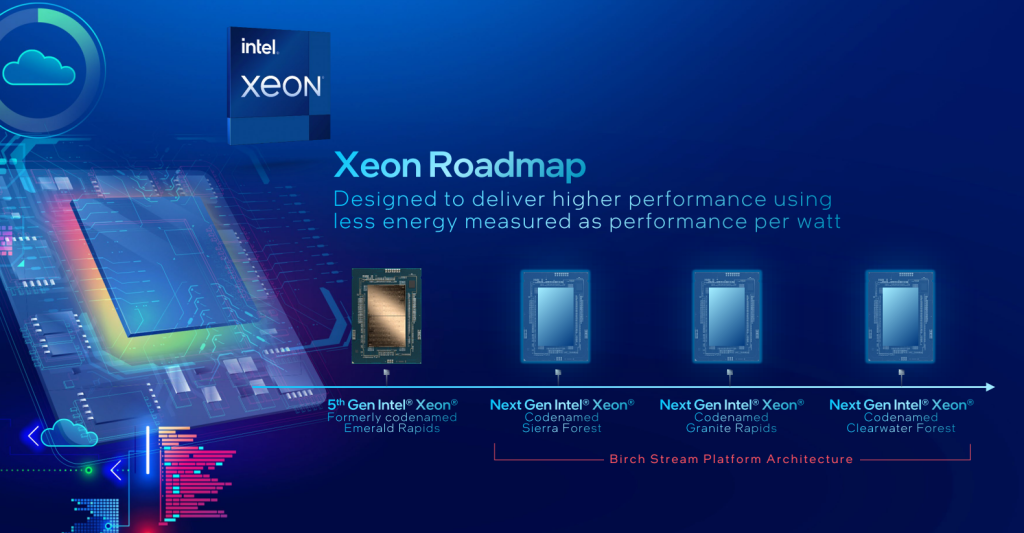
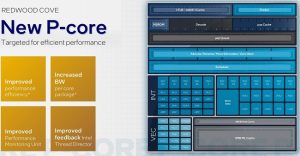
Here’s a sneak peek at Intel’s next-generation Xeon processors. Intel’s 5th Gen Xeon processors, launching Dec. 14, promise performance improvements and faster memory.
Sierra Forest will be here in the first half of 2024, with 2.5 times more rack density and 2.4 times more performance per watt than the 4th Gen Xeon. Next up is Granite Rapids, which offers two to three times better AI performance than the 4th Gen Xeon.
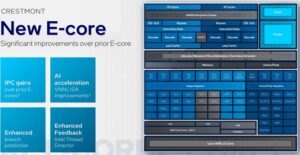
Intel’s 18A process node will power the next-generation E-core Xeon, code-named Clearwater Forest, in 2025.
Power management and scalability in silicon
Meteor Lake uses Intel 4 for the compute tile and TSMC N5 for the graphics tile. Disaggregation lets each tile work independently, so it’s more efficient and faster.
LP E-cores for lighter workloads are optimized by the hierarchical power management system.
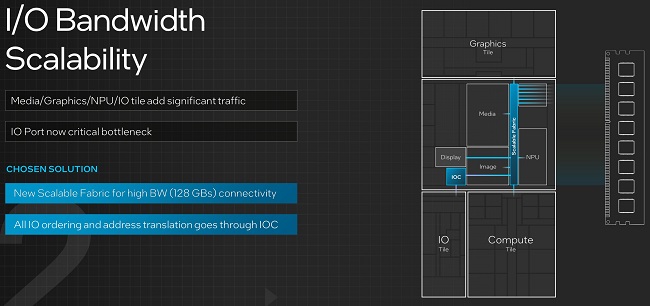
The scalability of SoC tiles and bandwidth
In the SoC tile, manufactured on TSMC N6, there’s a Network-on-Chip (NOC) to boost bandwidth. The LP E-cores in this tile are designed for efficiency and have granular voltage control. Advanced wireless connectivity is provided by Wi-Fi 7 and Bluetooth 5.4.
Here are some other improvements:
With the Intel Silicon Security Engine (ISSE), Meteor Lake enhances platform security and mitigates vulnerabilities.
A dedicated neural processing unit (NPU) enables Meteor Lake’s AI capabilities, offering flexibility and compatibility with standardized programs.
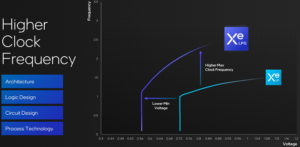
Intel’s new Xe-LPG graphics architecture offers discrete-level performance with improved efficiency. For enhanced graphics, it has 8 Xe graphics cores, 128 vector engines, and dedicated Ray Tracing Units (RTUs).
Streaming, decoding, and video playback can be done without powering up the graphics tile with Intel’s Foveros 3D packaging.
Mobile devices will use Meteor Lake, and Intel introduced a new Core naming scheme. On December 14th, Meteor Lake’s first high-end SKU with AI will launch.