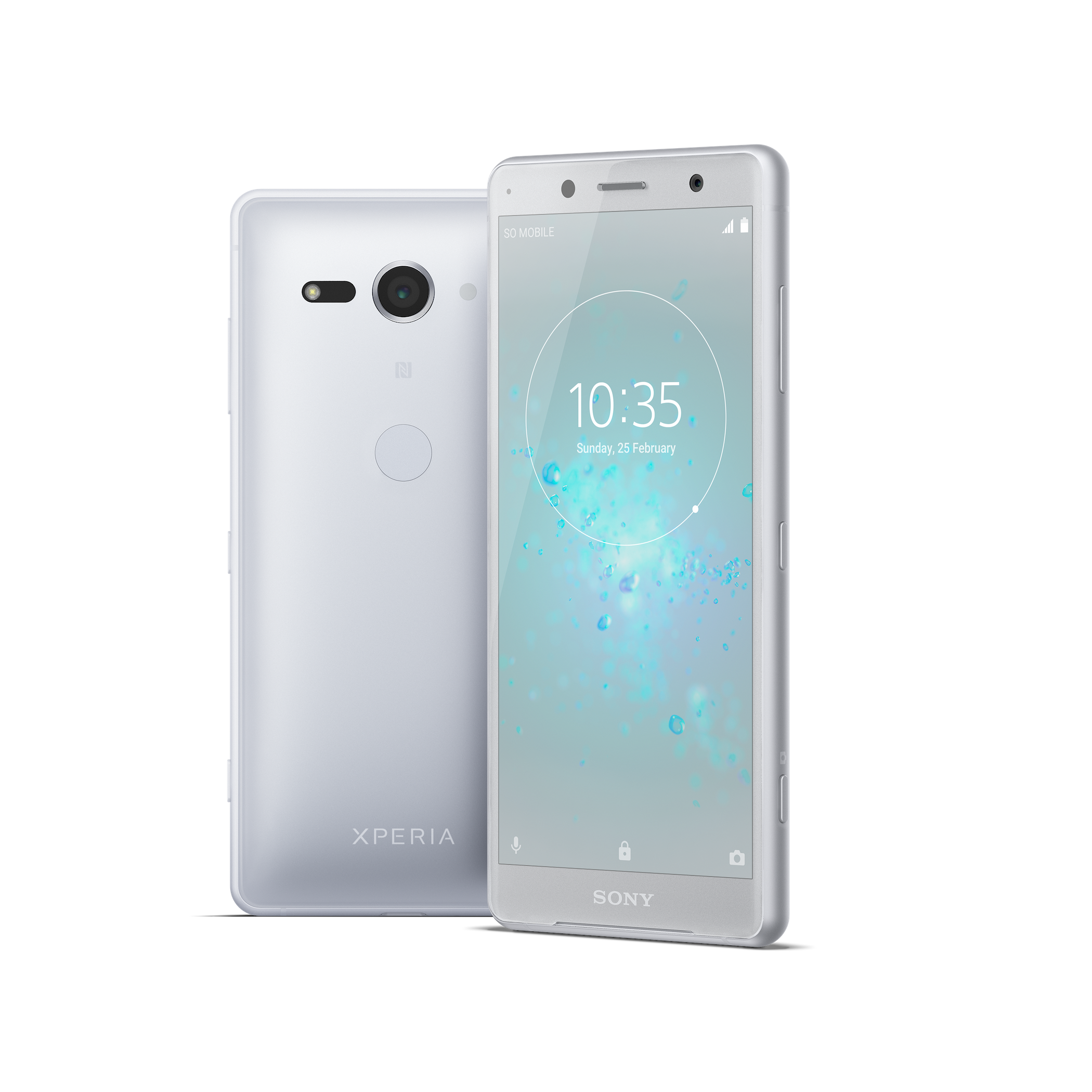
Sony just launched the new flagship Sony Xperia XZ2 and XZ2 Compact at MWC 2018 but didn’t reveal the price of the device.Now Sony has revealed the Germany pricing details for the recently unveiled Sony Xperia XZ2 and XZ2 Compact.
As per the Sony Germany Press Release website has mentioned the pricing details of the Sony Xperia XZ2 and XZ2 Compact. As per the blog, the Sony Xperia XZ2 and XZ2 Compact will be priced at €800 (Rs.64,000/-) and €600 (Rs.49,000/-) respectively.
As expected Sony has priced the device similar to previous flagship devices and we think t is bit overpriced for the Sony Xperia XZ2 as it still features just FHD+ display and not the QHD+ display on Samsung Galaxy S9/S9+.
The industries’ focus on 5G has shifted from viewing it as a disruptive technology to now embracing it as a central part of their strategy. In its latest 5G-IoT report, unveiled at Mobile World Congress today, Ericsson (NASDAQ: ERIC) lays out a roadmap for operators to unlock the revenue potential of 5G-enabled industry digitalization.
In ‘The guide to capturing the 5G industry digitalization business potential’ – a sequel to the ‘5G Business Potential’ report – Ericsson delves deeper into how operators can potentially grow revenues up to 36 percent by addressing 10 key sectors.
The previous 5G Business Potential report found that operators can add a revenue of USD 204 to 619 billion (12 to 36 percent) to their forecast service revenues of USD 1.7 trillion in 2026. They can do this by targeting the digital transformation of other industries, such as automotive and manufacturing, using 5G-IoT technology.
In its latest 5G-IoT report, Ericsson examined more than 400 industry digitalization use cases across 10 industries: energy & utilities; manufacturing; public safety; health care; public transport; media and entertainment; automotive; financial services; retail and agriculture. Of the 400 use cases, over 200 are where 5G is expected to play a vital role. These were grouped into clusters to boost revenue opportunities and overcome deployment challenges.
Through extensive operator engagements and a carefully chosen analytical framework, Ericsson created a comprehensive guide for operators to address a range of challenges. The report also highlights how use cases can be evolved to reach the full 5G-enabled industry digitalization business potential. Lastly, the report looks at various operator initiatives and shares some of the lessons learned so far.
Harnessing 5G-enabled revenue opportunities
Digitalization revenues for ICT players between 2016 and 2026 are set to grow by 13.6 percent annually, while current operator service revenue growth is forecast at 1.5 percent. As 5G becomes increasingly vital to industries, there is a rise in the opportunity for new 5G-enabled revenues for operators. Of the total 5G-enabled value in 2026, up to 47 percent is addressable by operators. Through the evolution of use cases and clusters, operators can already begin to maximize the possibilities of 5G-IoT and industry digitalization to capture their full business potential.
Ericsson has identified nine clusters covering almost 90 percent of the addressable 5G business potential opportunity. Real-time automation is the largest cluster, with a revenue potential of USD 101 billion by 2026. Enhanced video services are a close second, with revenue potential of USD 96 billion by the same year.
Thomas Noren, Head of 5G Commercialization at Ericsson, says: “Our case studies have shown that operators employ strategic and operational activities to address challenges facing the success of their offerings. Even though they’re not yet 5G offerings, these activities – such as go-to-market channels and trial and experimentation – will be equally important, if not more, when evolved towards 5G.”
Earlier this year, Ericsson also released The industry impact of 5G report sharing 5G insights from over 900 companies with more than 1000 employees across 10 different industries.
The report revealed that trials of 5G use cases will start in 2018, after which activities will ramp up quickly, with over 70 percent of companies aiming to have use cases in production by 2021. Manufacturing, energy and utilities, public transport and financial services are the industries most likely to have use cases in production by 2020.
The major drivers for taking the next step to 5G from a strategic perspective are: create a first-mover advantage (73 percent); position themselves as an industry innovator (54 percent); leverage digital transformation enablers (53 percent); and build a solid base for IoT (46 percent).
We had series of leaks about the Sony next flagship smartphone which turns out to be true. Sony finally launches the Sony Xperia XZ2 and Sony Xperia XZ2 Compact at MWC 2018 today.
The Sony new offering seems like a slight change in the design but still has the same old Omnibalance design touch. The device looks exactly similar to previous leaks and Sony Xperia XZ2 comes in Liquid Black, Liquid Silver, Deep Green and Ash Pink whereas the Sony Xperia XZ2 Compact comes in Black, White Silver, Coral Pink and Moss Green.Both the devices look similar in terms of design with curved back and are very much thicker with 11.1 mm on Sony Xperia XZ2 and Sony Xperia XZ2 Compact with 12.1 mm when compared with all other smartphones under this price range.
Sony Xperia XZ2 Compact
1 of 4
Both the devices are also slightly heavy with 198 grams on Sony Xperia XZ2 and Sony Xperia XZ2 Compact weighs 167 grams.Sony Xperia XZ2 is built out of metal and 3D glass surface whereas the Sony Xperia XZ2 Compact is built out of anti-scratch hard-grade polycarbonate.
The Sony Xperia XZ2 sports 5.7 inches FHD+ Triluminos HDR Display with an aspect ratio of 18:9 and Sony Xperia XZ2 Compact with 5.0 inches having the same resolution as the elder brother.Both the devices are protected by Corning Gorilla Glass 5 on top.
Sony Xperia XZ2
1 of 6
Both the devices are powered by SD845 SoC coupled with 4GB RAM and 64GB internal storage which can be expanded via microSD card up to 400GB.It also features IP68 rating which makes the device dust and water resistant.
The Sony Xperia XZ2 and Sony Xperia XZ2 Compact feature 19MP Motion Eye single camera on the back with 1/ 2.3″ Exmor RS, f/2.0 aperture, Predictive Hybrid Autofocus, 5-axis stabilization, 960 fps Super slow motion movie and video recording up to 4K. There is 5MP selfie camera with 1/ 5” Exmor RS, f/2.2 aperture, 5-axis stabilization and 23mm wide-angle lens.
The connectivity option on both the devices include Dual/Single SIM 4G LTE and VoLTE, Dual Band WiFi, MIMO, Bluetooth 5.0, A-GPS, GLONASS, NFC, USB Type-C port, and a fingerprint scanner on the back of the device. Both the devices do come with front firing stereo speakers which are called as S-Force Front Surround.Sadly, there is no 3.5 mm audio port on both the devices.
The Sony Xperia XZ2 is fueled by 3180 mAh battery whereas the Sony Xperia XZ2 Compact with 2870 mAh battery and both the device supports Qnovo Adaptive Charging with QC 3.0.Both the devices are running on Android Oreo out of the box.Sony also launched the AR functionality with 3D creator similar to Apple Animoji and both the devices will come with this feature.
As of now, there are no details about the pricing and both the smartphone are set to go on sale starting from March 2018.
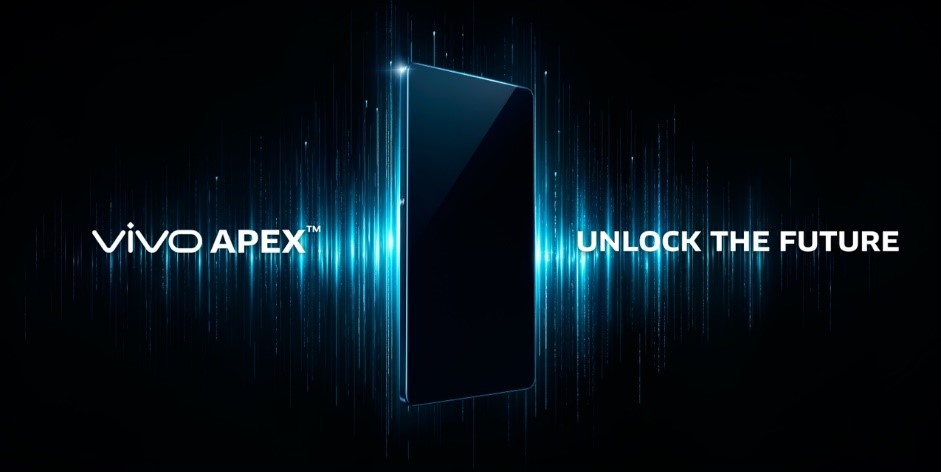
Vivo finally announces its very first Full display smartphone Vivo APEX to give tough competition to Xiaomi Mi Mix series.As per Vivo, the new Vivo APEX will feature worlds highest with 98% screen to body ratio and will come with World’s first Half-Screen Fingerprint Scanning Technology.
It comes with the first under display fingerprint scanner which was featured in Vivo X20 Plus UD.It features worlds first-half display fingerprint scanner and can touch anywhere on the bottom half of the display to unlock the device.The new Vivo features all display at the front with thinner top and bottom bezels with 1.8 mm and 4.3 mm side bezels.
1 of 5
Apart from that, the new Vivo APEX will also come with new Screen SoundCasting Technology which passes sound through the screen via vibration and turns the full view display into the speaker.So this process completely ditches the need for loudspeaker vent and consumes lesser power and leak free sound.
The Vivo APEX features a retracting 8MP selfie camera which opens up in 0.8 seconds when needed and retracts back when turned off.The device also comes with hidden proximity and a light sensor which directly remove the need for traditional selfie camera above the display.
The new Vivo APEX also come with SIP or System in Package tech which three operational amplifiers with DAC together which further reduce the space and need for separate circuit board space.
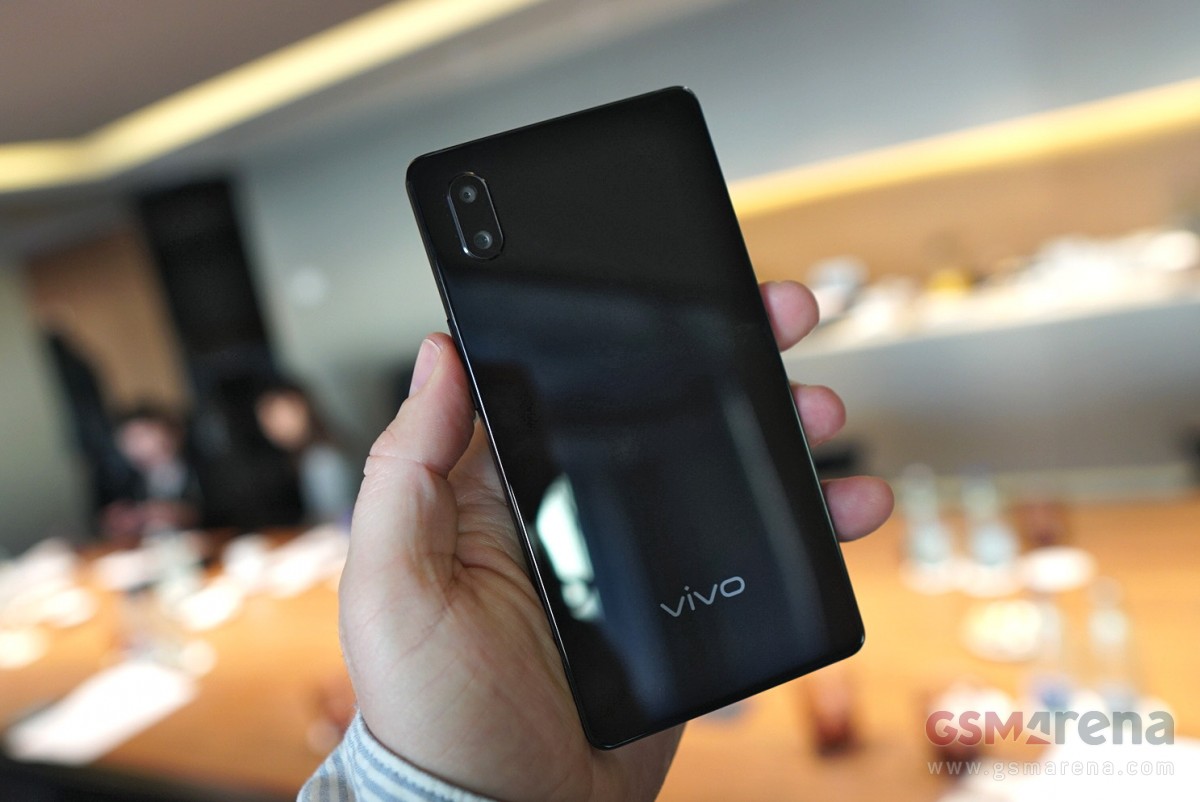
As per hands-on Video was done by GSMArena, the new Vivo APEX will sport 5.99 inches FHD+ flexible OLED display. It is built out of Aluminium chassis and glass back.On the back of the device, there is Dual camera setup with USB Type-C port and 3.5 mm audio port bottom of the device.
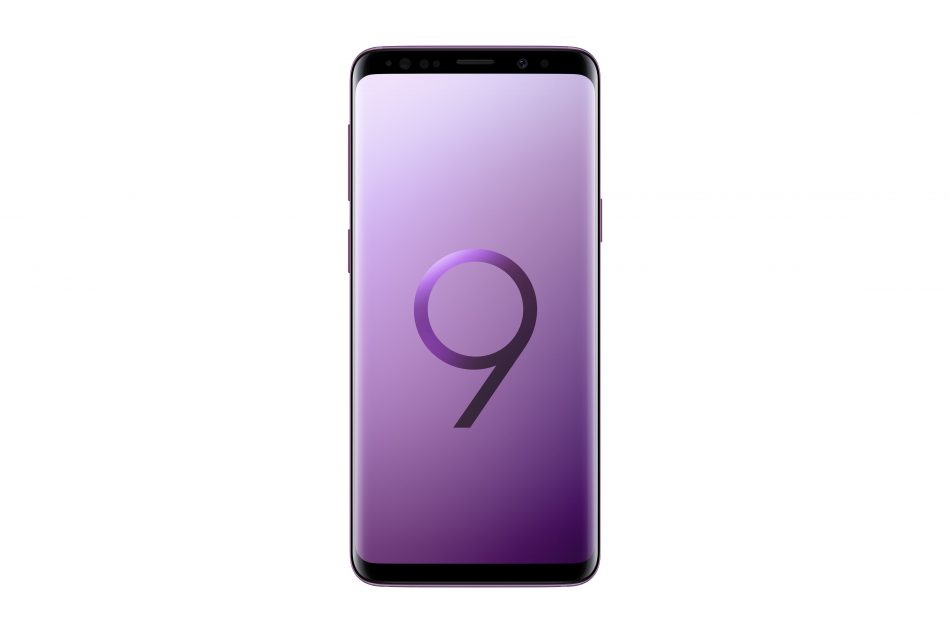
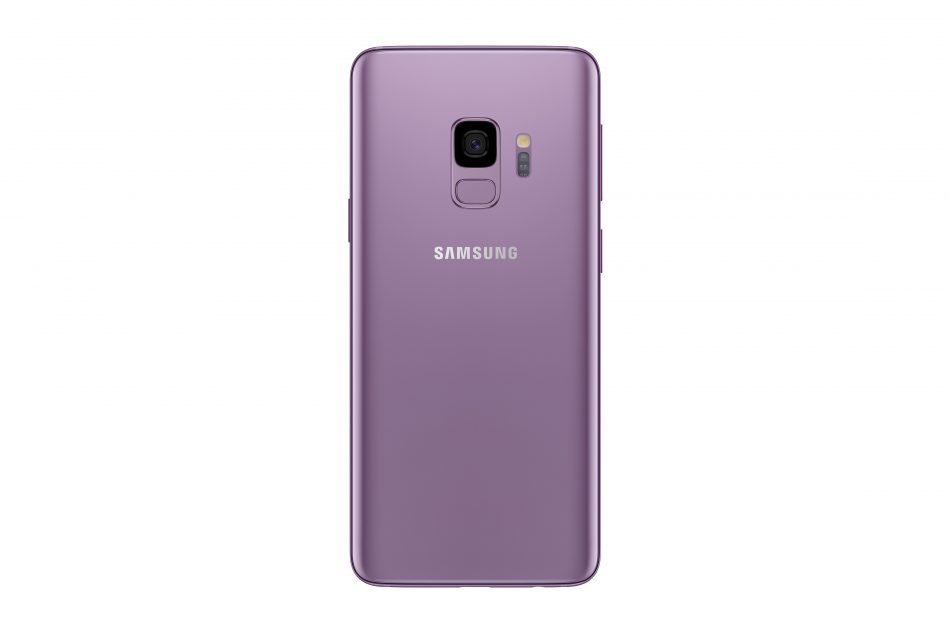
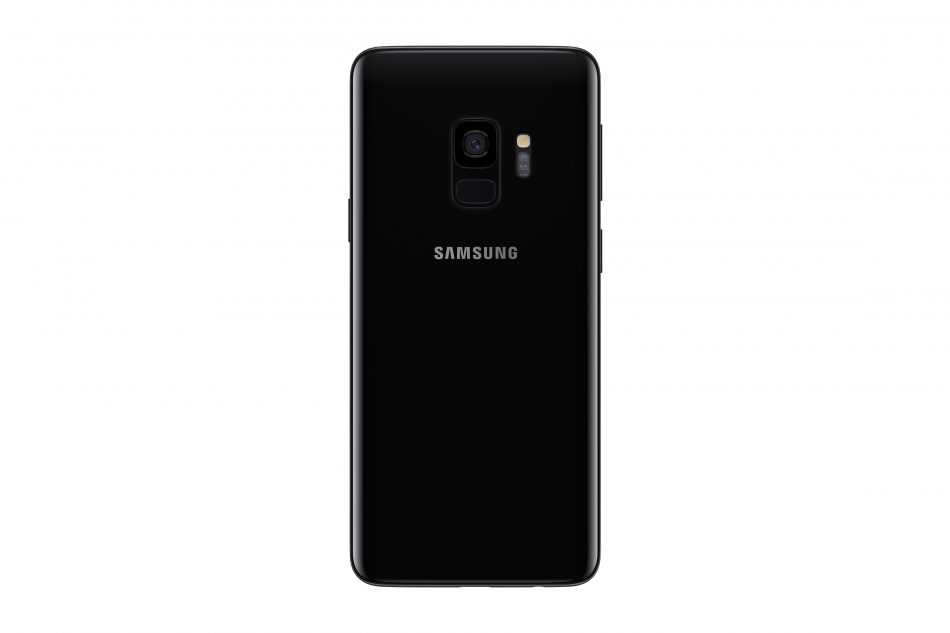
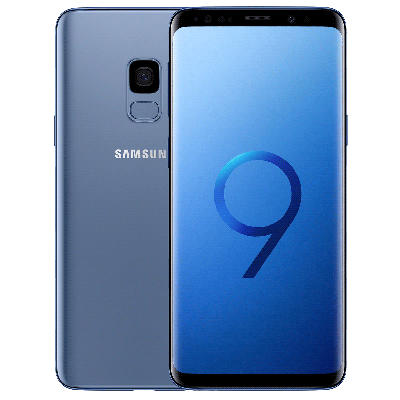
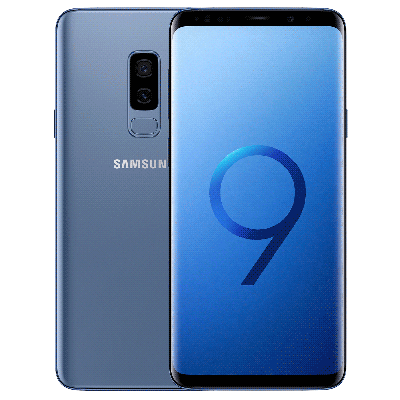
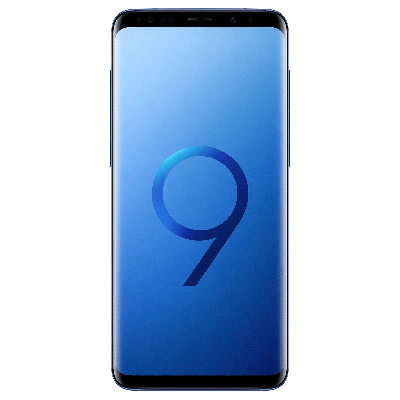
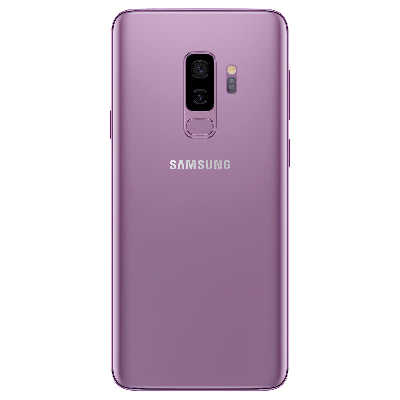
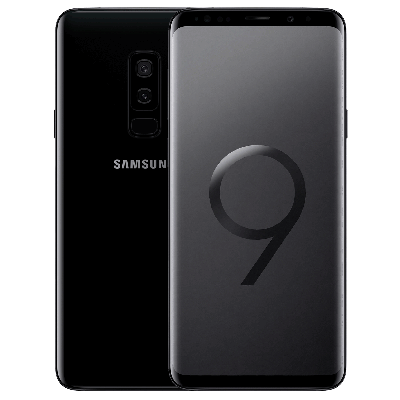
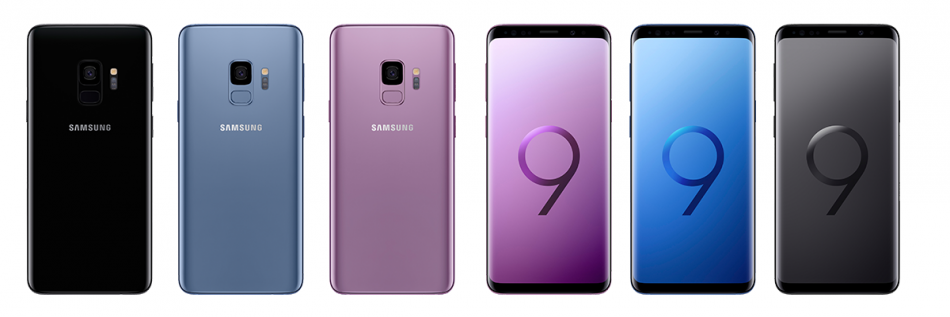
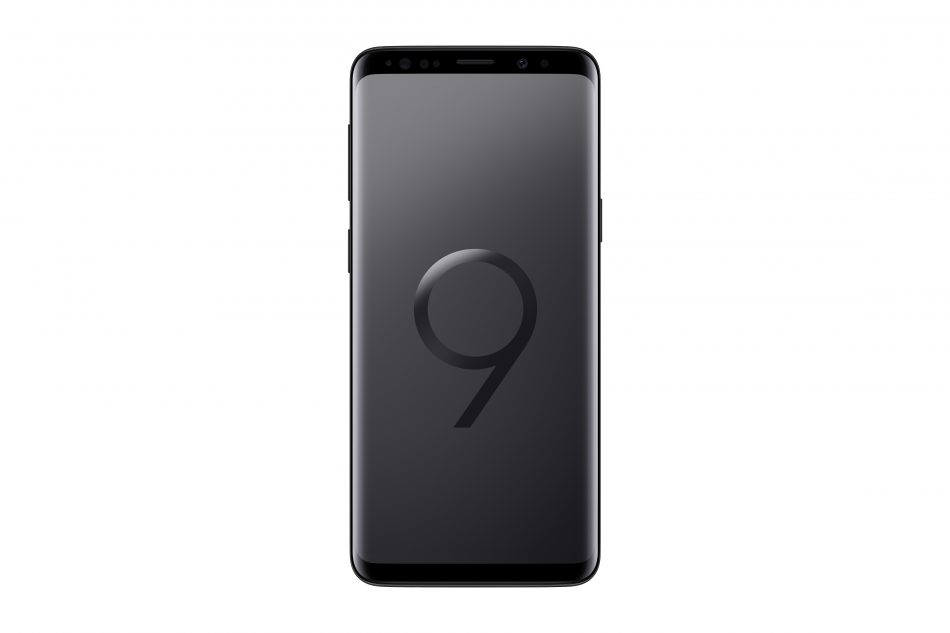
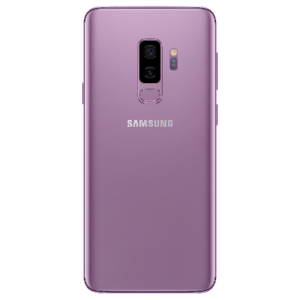
After series of renders leaks and rumours of the Samsung much-awaited flagship, the Samsung Galaxy S9 and Samsung Galaxy S9+ are finally been unveiled today in MWC18 Barcelona.The Samsung Galaxy S9 and Samsung Galaxy S9+ are already up for pre-orders via Samsung Online store in India by just paying Rs.2000 for pre-booking the device.The Samsung Galaxy S9 and Samsung Galaxy S9+ are expected to be going on sale on March 16 and will be available in Midnight Black, Coral Blue, Titanium Gray, and Lilac Purple.
The Samsung Galaxy S9 and S9+ come with the same old design with metal and Glass back as the Samsung Galaxy S8 and S8+ but with slight design changes on the back and updated internals.The Samsung Galaxy S9 and Samsung Galaxy S9+ weigh 163 grams and 189 grams respectively.The Samsung Galaxy S9 and Samsung Galaxy S9+ are 8.5 mm thick, which is slightly thicker and heavier than the predecessor.
1 of 11
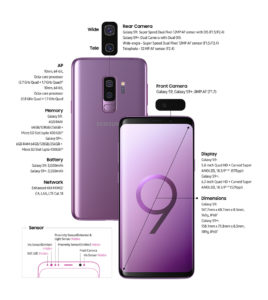
Samsung Galaxy S9 and Samsung Galaxy S9+ sports 5.8 inches and 6.2 inches curved Infinity Super AMOLED QHD+ display with a resolution of 2960*1440p and having an aspect ratio of 18.5:9 which is exactly the same as the predecessor.Both the smartphone’s display is covered with Corning Gorilla Glass 5 on top.
The major improvement is in terms of updated internals as the US or China variant of Samsung Galaxy S9 and Samsung Galaxy S9+ will be powered by SD845 SoC and other parts of the world will receive the Exynos 9810 SoC variant.The Samsung Galaxy S9 is coupled with 4GB RAM and 64GB/128GB/256GB internal storage and Samsung Galaxy S9+ 6GB RAM and 64GB/128GB/256GB internal storage space.Both the devices have the option to add microSD cards up to 400GB.
Samsung Galaxy S9+ is the first S-series device featuring the new Dual camera setup whereas the Samsung Galaxy S9 features a single camera on the back.Samsung Galaxy S9 features 12MP rear camera with Dual Tone Dual LED flash, a variable aperture of F1.5/F2.4 and can record Super Slo-mo videos at 480fps whereas the Samsung Galaxy S9+ features dual camera setup with primary sensor of 12MP which act as Wide-angle lens, AF, variable aperture of F1.5/F2.4, LED flash, Slo-mo video recording @960fps and secondary telephoto lens of 12MP with an aperture of f/2.4 with Dual OIS.Both the devices have got the same 8MP selfie camera with an aperture of f/1.7 as the predecessor.
The new feature on Samsung Galaxy S9 and Samsung Galaxy S9+ with a variable aperture of F1.5/F2.4 which automatically adjust the aperture based on background lighting condition, for example, it will automatically click a picture with an aperture of f/1.5 on low-light condition and will set back the aperture to f/2.4 on well light condition.Both the devices will also feature Face Intelligent Scan or what we call it as Face Unlock which was leaked earlier.Samsung has also launched new AR mode which is nothing but iPhone X Animoji feature so that one can create animation using the selfie camera and can be exported to a video file or stickers and use the standard AGIF file format so that one can share the animation to your loved ones on Social media.
This is the first time Samsung flagship is featuring the AKG powered stereo speakers. Yes, Samsung Galaxy S9 and Samsung Galaxy S9+ will feature AKG tuned stereo speaker with Dolby Atmos support.Both the devices come with rear-mounted fingerprint scanner just below the camera lens and will also feature IRIS scanner on the front.Both the devices also come with an IP68 rating which makes the device dust and water resistant.
The connectivity option includes Dual SIM/Single SIM with 4G LTE and VoLTE support, Bluetooth 5.0, Dual Band Wifi, A-GPS, GLONASS, Galileo, Glonass, BeiDou, NFC, VHT80 MU-MIMO, MST, USB Type-C port with USB 3.1 standards, and 3.5 mm audio port.The Samsung Galaxy S9 and Samsung Galaxy S9+will be running on Android Oreo with Samsung Experience UI on top.All this is fueled by 3000 mAh battery on Samsung Galaxy S9 and 3500 mAh battery Samsung Galaxy S9+ which unchanged when compared with the predecessor.
As of now Indian pricing and availability has not been announced and is expected to go on sale globally from March 16.The new Samsung Galaxy S9 and Samsung Galaxy S9+ are priced at $719.99 (Rs.48,000/-) and $839.99 (Rs.54,600/-) in the US for unlocked variants whereas £739 (Rs.67,000/-) and £869 (Rs.78,900/-) in the UK and 849 Euros (Rs.67,545/-), 949 Euros (Rs.75,600/-) and 1,049 Euros (83,400/-) for 256GB S9+ in Europe.If you pre-book the device you will get the smartphone within a week after March 7.
Leave your thoughts about the new Samsung Galaxy S9 and Samsung Galaxy S9+ in the comment section below.
Huawei is all set to unveil its first triple cameras smartphone on March 27 and with nearly a month remaining for the official announcement we are getting daily some or the other leaks and rumours for the upcoming Huawei P20 series smartphone.
Earlier we had spotted the alleged Huawei P20 on TENAA listing in China which didn’t have any notch and came with traditional smartphone design with thicker bezels.Today, we have few new renders leaked showing the Huawei P20 and Huawei P20 Plus side by side comparison from the front of the device.
As per the leaked renders, we can see the both of the devices are having a nearly bezel-less display in the front and features similar notch above the display as the iPhone X which is now carrying the selfie camera with earpiece and sensor.The only change between the Huawei P20 and Huawei P20 Plus is that Huawei P20 will come with fingerprint scanner just below the display with thicker bezels covering the display whereas the Huawei P20 Plus will carry the Huawei branding on the bottom bezels.
As per earlier rumours, Huawei P20 will come with a Dual camera and the higher variant Huawei P20 Plus or sometimes called as Huawei P20 Pro will have the triple camera setup.
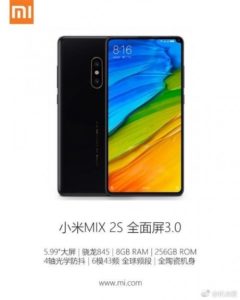
As per the tweet, Xiaomi has shared a banner with latest benchmark scores with device name Xiaomi Mi Mix 2S mentioned on it.As per the tweet, the Xiaomi Mi Mix 2S has scored whopping 2,73,741 on Antutu benchmarks.Apart from that Xiaomi has also announced the launch date which is now scheduled to be launching on March 27 the same date as the Huawei will also launch the new Huawei P20 series in Paris.
Apart from that Xiaomi has also confirmed the processor being used on Xiaomi Mi Mix 2S. Yes, it is none other than upcoming SD845 SoC.So seems like all other previous leaks turns out to be true finally.Anyways, we are still a month away from the official launch and have to wait for few leaks to popping out soon.
Nokia has finally announced not two or three but five new devices at #MWC18 today. The new Nokia 2018 lineup includes Nokia 8810 4G, Nokia 1 first Android Go running smartphone, New Nokia 6, Nokia 7 Plus and Nokia 8 Sirocco.The Nokia 8810 4G is priced at 80 Euros (Rs.6400/-) and will be available from May, Nokia 1 is priced at $85 (Rs.5500/-), Nokia 6 is priced at 279 Euros whereas the Nokia 7 Plus at 399 Euros (Rs.32,000/-) and Nokia 8 Sirocco at 749 Euros (Rs.59,600/-). All the devices will be available from April 2018.
Nokia also announced that in partnership with Google all the Nokia devices starting from Nokia 3 to Nokia 8 which were launched last year will be now part of Android One Program.
Nokia 8810 4G:
The new Nokia 8810 4G is the reloaded version of the classic Nokia 8810 feature phone launched in 2000’s.The new Nokia 8810 4G is having new curved design and comes with clamshell type feature phone.It looks completely different when compared to classic Nokia 8810. The new Nokia 8810 4G is made out of polycarbonate shell and comes in two colours with Black and Yellow.
Nokia 8810 4G weighs 117 grams and is 14.9 mm thick.The Nokia 8810 4G sports 2.45 inches curved QVGA display.The device is powered by Qualcomm MSM8905 Dual Core 1.1 GHz coupled with 512MB RAM and 4GB internal storage space.
1 of 4
The Nokia 8810 4G features 2MP rear camera with LED flash. The connectivity option includes Dual SIM with 4G LTE and VoLTE support, Wifi, Bluetooth 4.1, A-GPS, FM Radio, micro USB port and 3.5 mm audio port.
It is fueled by 1500 mAh battery which has standby time for 25 days on 4G LTE.The device can play videos up to 720p.The Nokia 8810 4G also IP52 certified for drip protection.The Nokia 8810 4G is running on KaiOS and is compatible with some Google-specific apps like Google Assistant, Google Maps and also comes pre-loaded with Snake Game.
New Nokia 6:
The next device on the list is the successor of last year mid-range smartphone the Nokia 6 with New Nokia 6.The New Nokia 6 is now more powerful and more beautiful than the predecessor.
The New Nokia 6 features full metal unibody design using Series 6000 aluminium.It is 8.6 mm thick.The New Nokia 6 will be available in three colours with Black / Copper, White / Iron, & Blue / Gold.
The New Nokia 6 sports 5.5 inches IPS LCD FHD traditional 16:9 aspect ratio display with a resolution of 1920*1080p.The screen is protected by Corning Gorilla Glass 3 on top.Sadly, no 18:9 aspect ratio display this time.
1 of 3
The New Nokia 6 is powered by the Qualcomm Snapdragon 630, octa-core, 2.2GHz coupled with 3GB RAM and 32GB internal storage which can be expanded via microSD card up to 128GB.
Unlike the competition busy touting with Dual cameras under mid-range smartphone the New Nokia 6 comes with a single rear camera with the 16MP shooter with an aperture of f/2.0, 1.0um pixel size, PDAF and Dual Tone Dual LED flash.There is 8MP FF camera on the front with 1.12um pixel size, f/2.0 aperture and 82 degrees wide-angle lens.It comes with two microphones that are powered by Nokia OZO Audio.
The New Nokia 6 also features the rear-mounted fingerprint scanner and comes with a mono speaker with smart amplifier.The connectivity option includes Dual SIM with 4G LTE, Bluetooth 5.0, Wifi, A-GPS, GLONASS, BDS, NFC, FM Radio, USB Type-C port, and 3.5 mm audio port. All this is fueled by 3000 mAh battery and runs on Android Oreo with Android One Program.
Nokia 1:
The next smartphone is the cheapest and the very first smartphone from Nokia running on Google Android Go OS with Nokia 1.The new Nokia 1 is having older Android-powered smartphone design and comes with replaceable back covers called Xpress-on covers.
The Nokia 1 is completely made out of plastic and comes with Inherently coloured two-tone polycarbonate shell.The Nokia 1 weighs 131 grams and is 9.5mm thick.The device looks similar to previous leaks.The Nokia 1 will be available in two colours with Warm Red & Dark Blue.
1 of 5
The Nokia 1 sports 4.5 inches FWVGA IPS display. It is powered by MediaTek MT6737M Quad Core 1.1GHz coupled with 1GB RAM and 8GB internal storage which can be expanded via microSD cards up to 128GB.
The Nokia 1 features a 5MP rear camera with LED flash and 2MP selfie shooter.The connectivity option includes Dual SIM with 4G LTE and VoLTE support, Wifi, Bluetooth 4.2, A-GPS, FM Radio, micro USB port and 3.5 mm audio port.
It is fueled by 2150 mAh battery which has standby time for 15 days on 4G LTE.The Nokia 1 also IP52 certified for drip protection.The Nokia 1 runs on Android Oreo Go OS with Android 8.1 out of the box. The Android Go OS is the trimmed down version of Android made especially for budget smartphones with less than 1GB RAM.
Nokia 7 Plus:
The next on the list is the latest mid-range smartphone from Nokia with Nokia 7 Plus which is the upgrade version of Nokia 7 which was launched last year in China.The new Nokia 7 Plus looks similar to Nokia 7 in terms of overall looks.
The Nokia 7 Plus features full metal unibody design using Series 6000 aluminium.It is 7.99 mm thick.The New Nokia 6 will be available in three colours with Black / Copper and White / Copper
The Nokia 7 Plus sports 6.0 inches IPS LCD FHD+ display with a resolution of 2160*1080p having an aspect ratio of 18:9.The screen is protected by Corning Gorilla Glass 3 on top.
1 of 3
The Nokia 7 Plus is powered by the Qualcomm Snapdragon 660 SoC coupled with 4GB RAM and 64GB internal storage which can be expanded via microSD card up to 256GB.
Nokia 7 Plus comes with a Dual rear camera with the 12MP primary lens with an aperture of f/1.75, 1.4um pixel size, 2PD Zeiss lens and 13MP secondary lens with an aperture of f/2.4 with Zeiss optics, 1.0um pixel size, and Dual Tone Dual LED flash.There is 16MP using Zeiss lens camera for selfie lovers.It comes with three microphones that are powered by Nokia OZO Audio.
The Nokia 7 Plus also features the rear-mounted fingerprint scanner and comes with a mono speaker with smart amplifier.The connectivity option includes Dual SIM with 4G LTE, Bluetooth 5.0, Dual Band Wifi, A-GPS, GLONASS, BDS, NFC, FM Radio, USB Type-C port, and 3.5 mm audio port. All this is fueled by 3800 mAh battery and runs on Android Oreo with Android One Program.
Nokia 8 Sirocco:
The last smartphone is the much-awaited flagship smartphone from Nokia which was earlier rumoured to be called Nokia 9 and has been renamed to Nokia 8 Sirocco. The Nokia Sirroco was feature phone from Nokia which has been renamed to the new flagship for 2018.
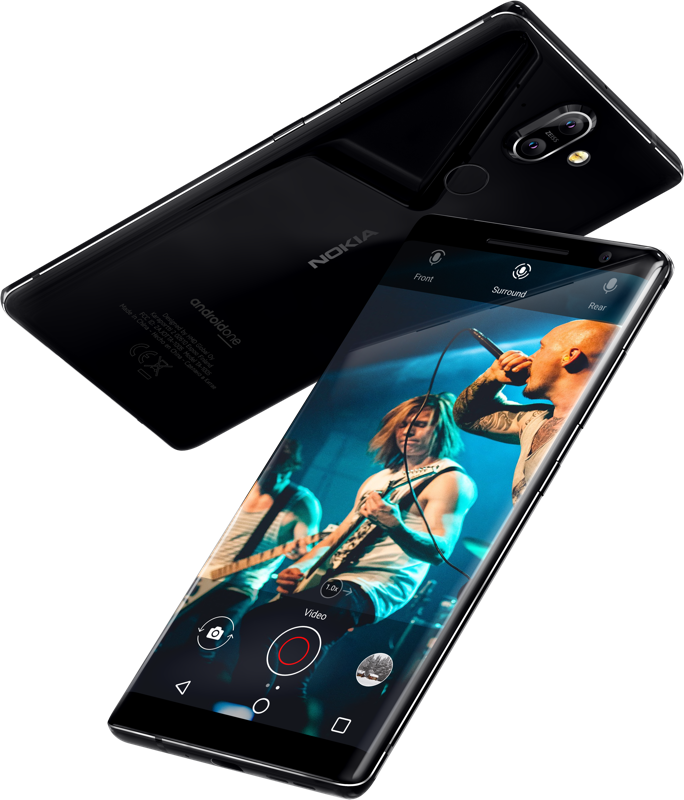
The Nokia 8 Sirocco is the upgrade version of last year flagship smartphone Nokia 8.The new Nokia 8 Sirocco is heavily inspired from Samsung S7 Edge and S8 series devices with a curved screen on the sides.The Nokia 8 Sirocco looks gorgeous and comes in a single colour with Black.
The Nokia 8 Sirocco is made out of metal and glass design and is just 7.5 mm thick.The Nokia 8 Sirocco sports 5.5 inches pOLED QHD display.The screen is protected by Corning Gorilla Glass 5 and also has 3D glass on top.
1 of 3
The Nokia 8 Sirocco is powered by the Qualcomm Snapdragon 835 SoC coupled with 6GB RAM and 128GB internal storage which can be expanded via microSD card up to 256GB.
Nokia 7 Plus comes with a Dual rear camera with the 12MP primary lens with an aperture of f/1.7, 1.4um pixel size, 2PD Zeiss lens with a wide-angle lens of 78 degrees and 13MP secondary telephoto lens with an aperture of f/2.6 with Zeiss optics, 1.0um pixel size, and Dual Tone Dual LED flash.Nokia 8 Sirocco is having 5MP with 1.4um, display flash for selfie lovers.It comes with three microphones that are powered by Nokia OZO Audio.
The Nokia 8 Sirocco also features the rear-mounted fingerprint scanner and comes with a mono speaker with smart amplifier.The connectivity option includes Dual SIM with 4G LTE, Bluetooth 5.0, Dual Band Wifi, A-GPS, GLONASS, BDS, NFC, FM Radio, USB Type-C port, and 3.5 mm audio port. All this is fueled by 3260 mAh battery support for Qi wireless charging and runs on Android Oreo with Android One Program.It is also having an IP68 certification which makes the device dust and water resistant.
Which Nokia phone did you like? DO share your thoughts in the comment section below.
MWC 2018 first event was started by none other than the popular Chinese smartphone and communication brand Huawei. Huawei unveiled new Huawei MateBook X Pro with new Huawei MediaPad M5 10 Pro, MediaPad M5 10.8 and MediaPad M5 8.4 in Barcelona today.The Huawei MediaPad M5 10.8 is priced at 520 Euros (Rs.41370.33/-) and the lower variant with Huawei MediaPad M5 8.4 inches is priced at 420 Euros (Rs.33,400/-) and will go on sale starting from March. As of now, there are no pricing and availability details available for Huawei MateBook X Pro.
Huawei MateBook X Pro:
Huawei MateBook X Pro is a direct answer to Apple MacBook Pro which has most advanced features when compared with the latest gen of MacBooks Pro series.Huawei MateBook X Pro sports a 13.3 inches nearly bezel-less touchscreen display with a resolution 3000*2000p having a maximum brightness of 450 nits.
Huawei MateBook X Pro is made out of Aluminium and looks classy. It is super light in weight and weighs 1.33 kgs and is 14.6 mm thick.The device will be available in two colours with Space Grey and Mystic Black.
1 of 4
Huawei MateBook X Pro is powered by 8th Gen Intel Core i7 8550U Processor or Core i5 8250U processor coupled with NVIDIA GeForce ® MX150 with 2 GB GDDR5 / Intel ® UHD Graphics 620.It comes with 8GB/16 RAM with 256GB/512GB NVMe PCIe SSD storage options.
It features 1MP selfie camera which can be used to make video calling.It also comes with 4 mics and speakers certified by Dolby Atmos Sound tech.The connectivity option includes Power button one touch, 3.5 mm audio port, 2x USB Type-C port with one port support Thunderbolt 3.0, 1x USB-A or USB 3.0 port for charging the device.
All this is fueled by 57.6 Wh Lithium Polymer battery.The device is bundled with 65W charger within the retail package and supports fast charging.The Huawei MateBook X Pro is running on Windows 10 Home edition out of the box.
Huawei also launched few tablets today at the event with their new high-end MediaPad 5 series.The new MediaPad 5 series include Huawei MediaPad M5 10 Pro, MediaPad M5 10.8 and MediaPad M5 8.4.All three tablets are having almost similar specs and come with a similar design.
The new Huawei MediaPad M5 10 Pro, MediaPad M5 10.8 and MediaPad M5 8.4 all sports same resolution display with WQXGA having a resolution of 2560*1600p and the only difference is with the display size.All three tablets feature world’s first 2.5D curved glass on a tablet as per Huawei.
1 of 9
All the three devices are powered by the Huawei Kirin 960 SoC but the Huawei MediaPad M5 10.8 is powered by slightly overclocked version Kirin 960 with Kirin 960s.All the devices are coupled with 4GB RAM and come in 64GB/128GB internal storage on M5 10 Pro, 32GB/64GB/128GB on M5 10.8 and M5 8.4 tablets which can be further expanded via microSD cards up to 128GB.
All the three tablets are made out of metal unibody design.The Huawei MediPad M5 10 Pro weighs 498 gram and is 7.3 mm thick whereas MediaPad M5 8.4 weighs 316 grams and is 7.3 mm thick. All three tablets feature 8MP FF selfie camera and 13MP rear camera with AF.The connectivity option includes support for 4G LTE, Dual Band Wifi, Hi-Res Audio, USB Type-C port for charging, and a fingerprint scanner which doubles up as the home button.Sadly there is no 3.5 mm audio port on all three tablets.
The MediaPad M5 10.8 and MediaPad M5 8.4 are fueled by 7500 mAh battery and 5400 mAh battery support for Huawei Quick charging whereas the Huawei MediaPad M5 10 Pro is fueled by 7500 mAh battery and also support quick charging.All three tablets run on Android 8.0 out of the box with EMUI 8.0 on top and come with PiP feature.
The Huawei MediaPad M5 10 Pro comes with Harman Kardon tuned speakers and also comes with extra Desktop View feature which adds a taskbar similar to Windows PC to the bottom of the screen.It also comes with support for stylus called Huawei M-Stylus Pen and also has POGO connector to add a keyboard.
MediaPad M5 10.8 and MediaPad M5 8.4 are cheaper variant under MediaPad 5 series and comes with just Dual speakers on 8 inches MediaPad M5.As of now, there are no details regarding Indian pricing and availability.
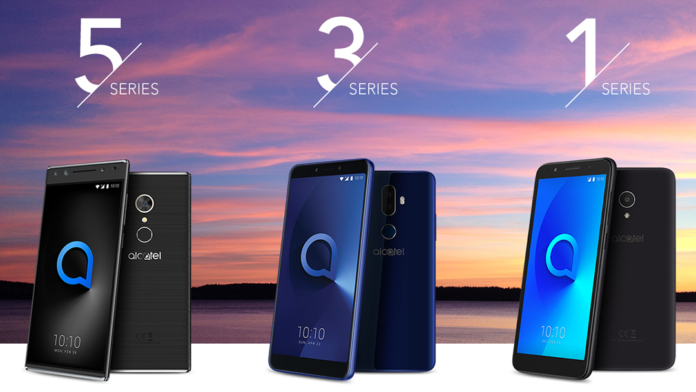
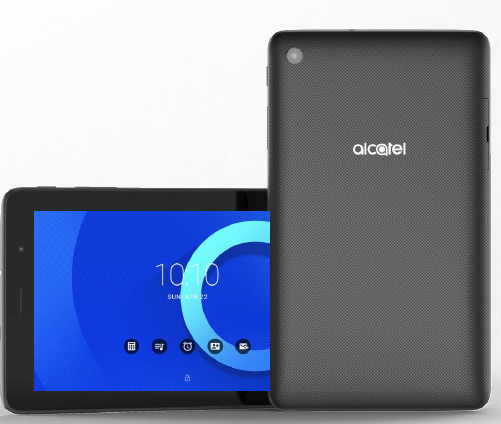
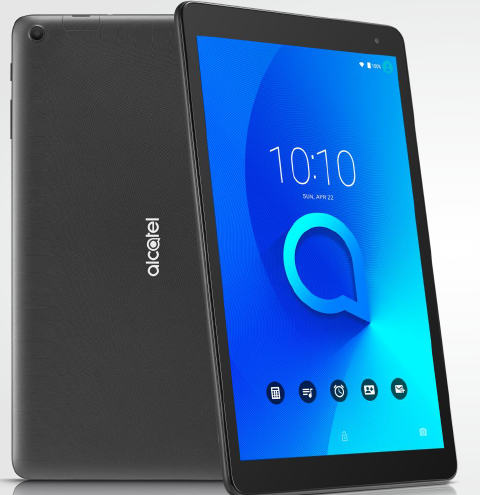
After series of leaks, Alcatel has finally unveiled their new lineup of mid-range smartphones with Alcatel 5, Alcatel 3X, and Alcatel 3V at MWC 2018.Just not that, Alcatel also launches two new budget tablets with Alcatel 1T 10 and Alcatel 1T 7 in the event.
Alcatel 3X:
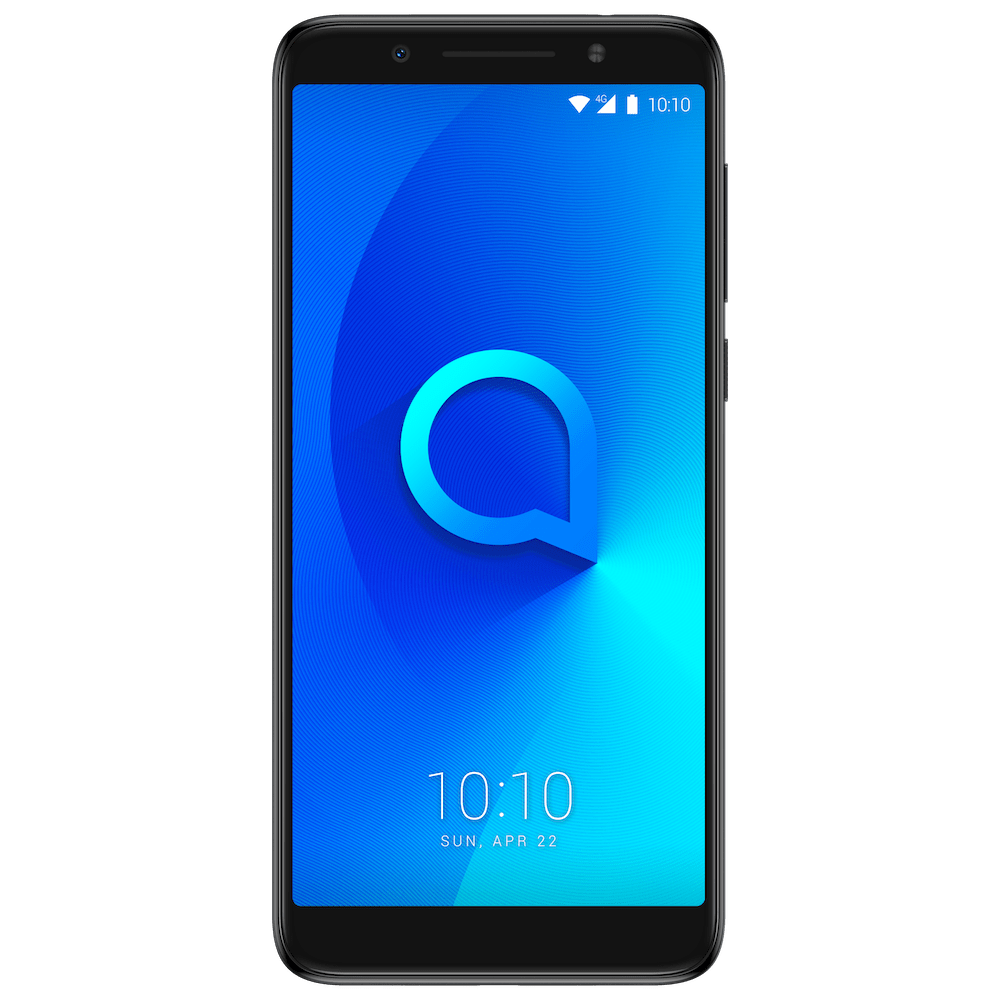
Alcatel 3X is the cheapest smartphone under Alcatel 3 series smartphone.The Alcatel 3X is pricing starts from at 179.99 Euros (Rs.14,350/-) and will go on sale from April.The device will be available in three colours with Metallic Black, Blue and Gold.
The Alcatel 3X is completely made out of plastic and has slightly curved on the back of the device.The device is having metal painted with matte finish and radial detailing on the back.The device weighs 144 grams and is 8.75 mm thick.
1 of 4
Alcatel 3X sports 5.7 inches HD+ display with an aspect ratio of 18:9 a resolution of 1440*720p.The display is covered with 2.5D curved glass on top.The Alcatel 3X is powered by MediaTek MT 6739 Quad Core A5 (4 x 1.28GHz) coupled with 2GB/3GB RAM and 16GB/32GB internal storage space which can be expanded via micro SD cards up to 128GB.
The Alcatel 3X features dual cameras on the back with 13MP+5MP with an aperture of f/2.0+f/2.2, 70 degrees and 128 degrees wide-angle lens, Dual Tone Dual LED flash and AF. It can take pictures up to 16MP+8MP via Software processing.The rear camera can shoot videos up to 1080p @24fps.On the front we have the 5MP selfie camera with an aperture of f/2.4, LED flash and can shoot videos up to [email protected] camera also have support for EIS.
The connectivity option includes Dual SIM with 4G LTE and VoLTE support, Wifi, Bluetooth 4.2, A-GPS, NFC, USB OTG, micro USB port, 3.5 mm audio jack and a fingerprint scanner on the back.The device also comes with face unlock feature called Face Key.All this is fueled by 3000 mAh battery and runs on Android 7.0.
Alcatel 3V:
The next smartphone under Alcatel 3 Series is the Alcatel 3V.The Alcatel 3V is priced slightly higher than the Alcatel 3X at 189.99 Euros (Rs.15,200/-) and will go on sale from April.The device will be available in three colours with Spectrum Black, Blue and Gold.
The Alcatel 3V is completely made out of plastic and has slightly curved on the back of the device.The device is having metal painted with matte finish and radial detailing on the back.The device is 8.05 mm thick.The Alcatel 3V looks similar to Alcatel 3X in terms of design but has got better specs.
1 of 4
Alcatel 3V sports 6.0 inches FHD+ display with an aspect ratio of 18:9 a resolution of 2160*1080p.The Alcatel 3V is powered by MediaTek MT8735A Quad Core coupled with 2GB and 16GB/32GB internal storage space which can be expanded via micro SD cards up to 128GB.
The Alcatel 3V features dual cameras on the back with 12MP+2MP withLED flash and AF.The secondary camera is dept sensor and creates Bokeh effects. It can take pictures up to 16MP via Software processing.On the front, we have the 5MP selfie camera with LED flash.The camera also has support for EIS.
The connectivity option includes Dual SIM with 4G LTE and VoLTE support, Dual Band Wifi, Bluetooth 4.2, A-GPS, micro USB port, 3.5 mm audio jack and a fingerprint scanner on the back.The device also comes with face unlock feature called Face Key.All this is fueled by 3000 mAh battery and runs on Android 8.0.
Alcatel 5:
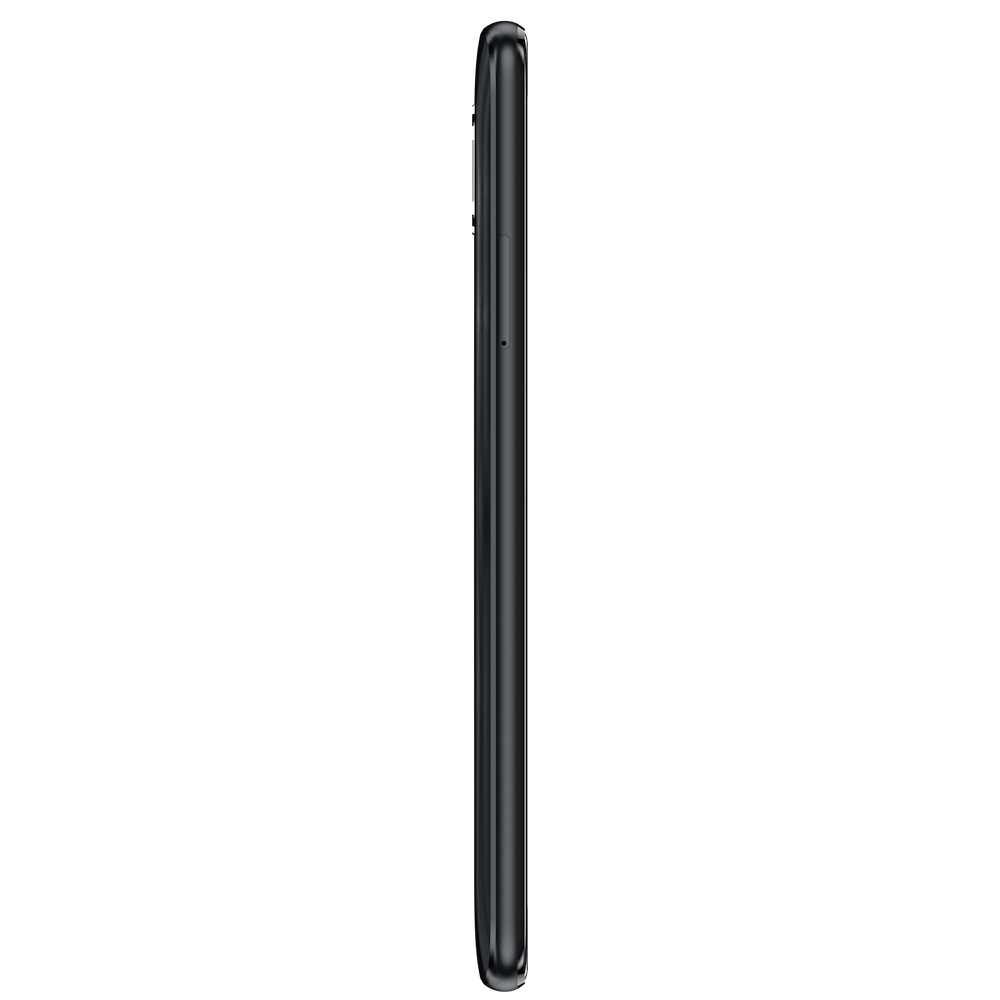
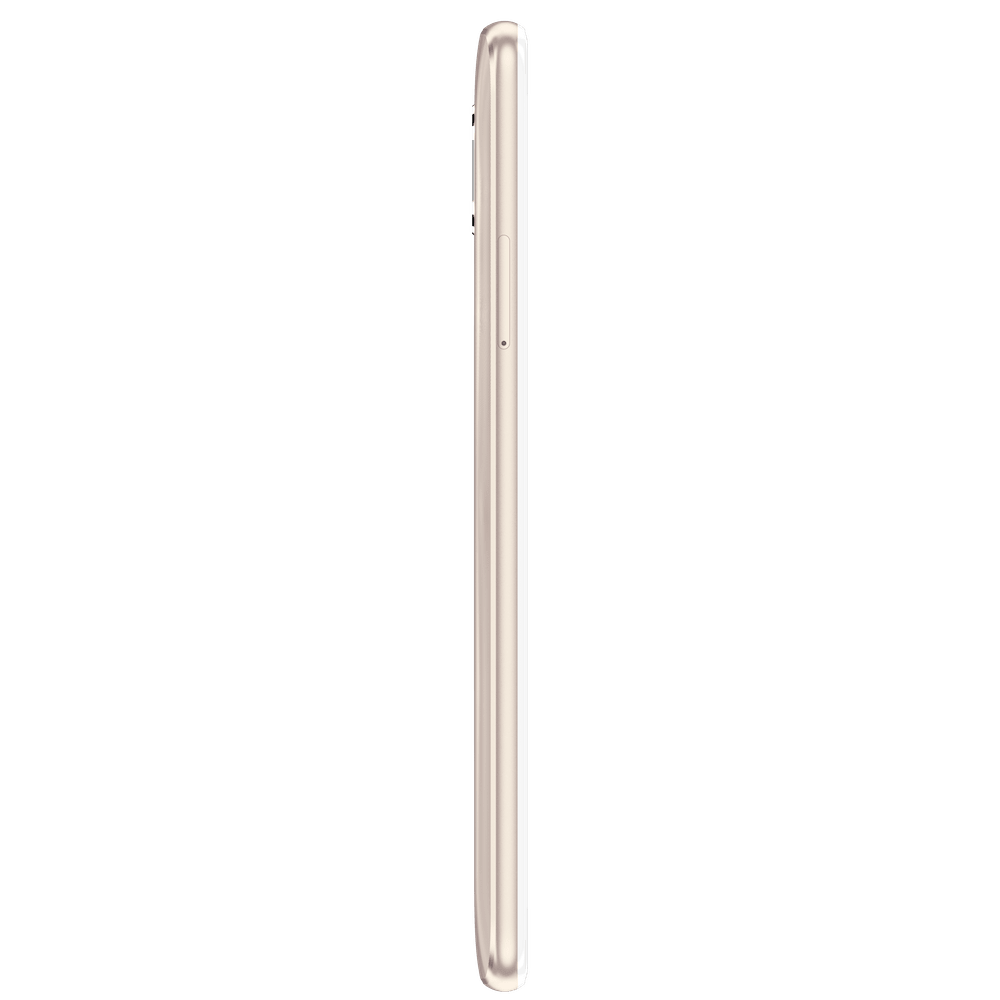
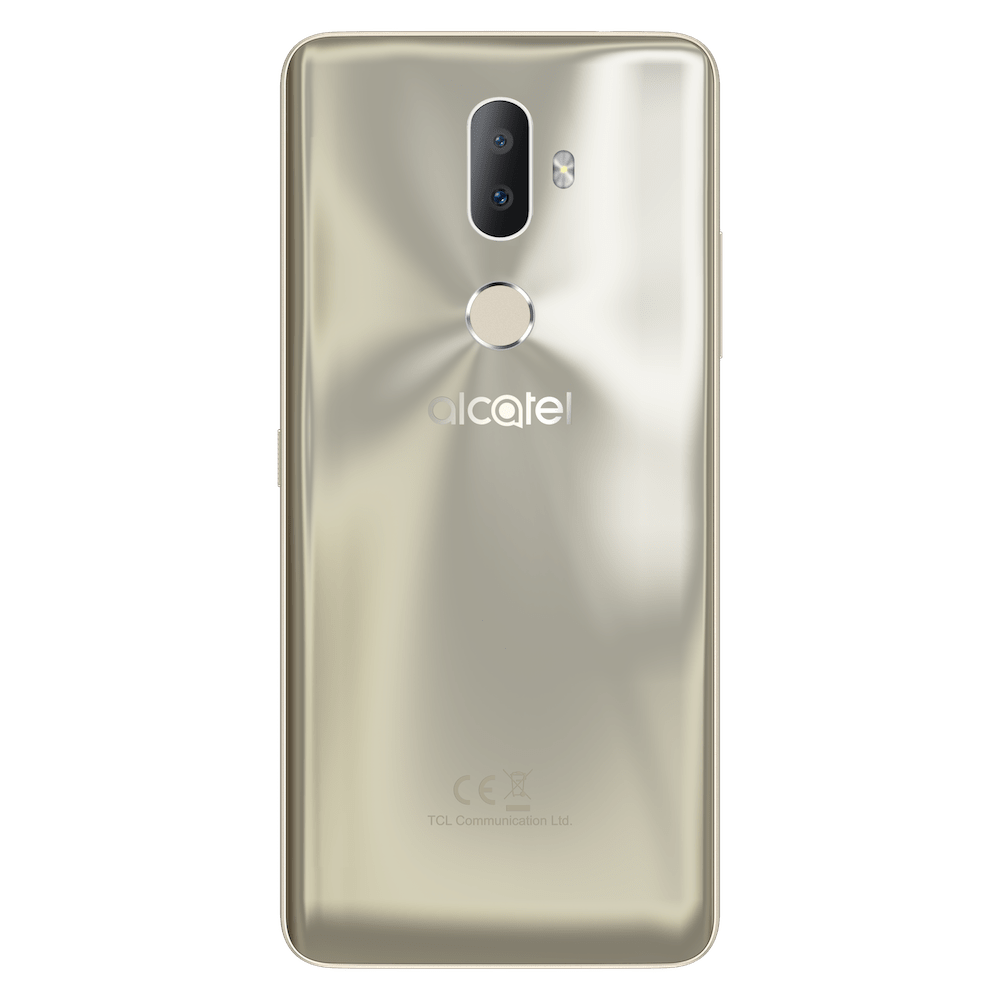
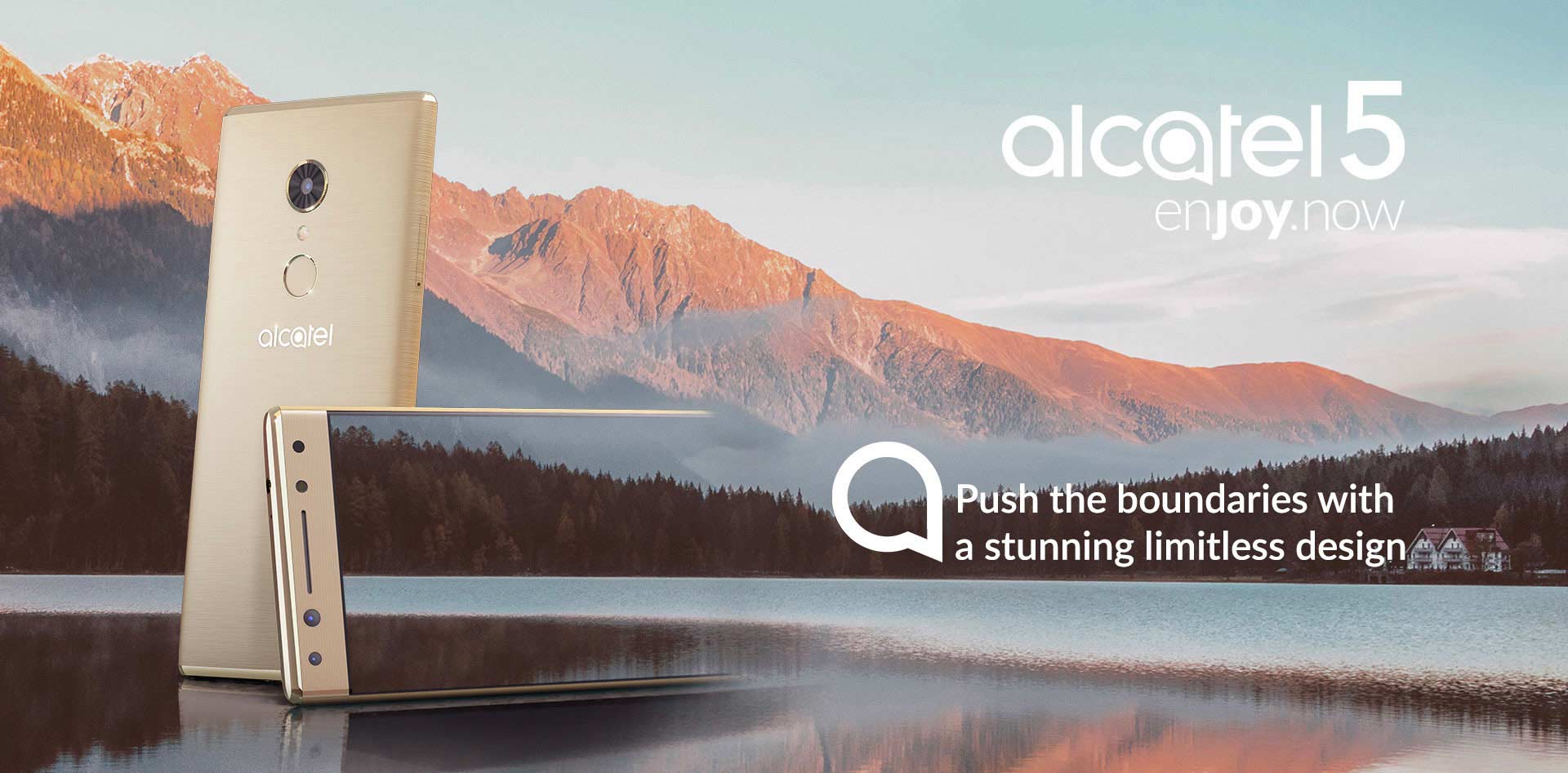
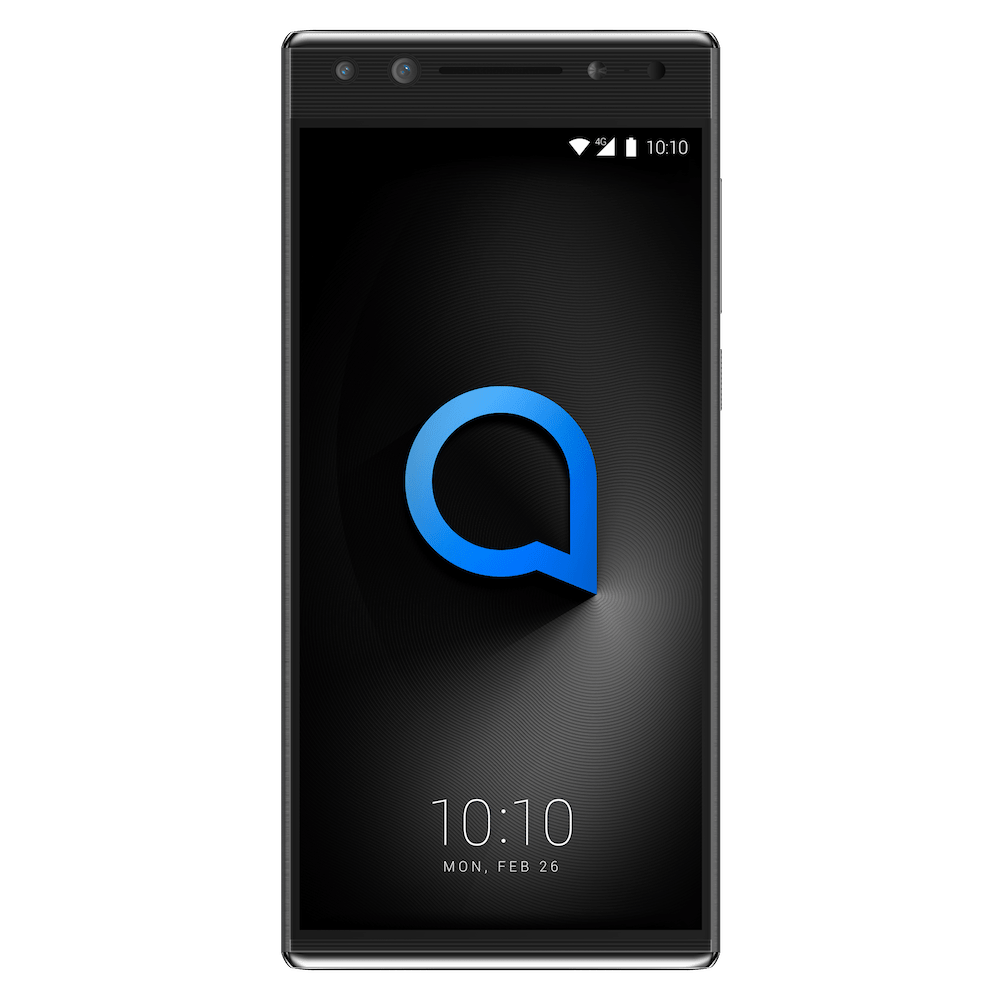
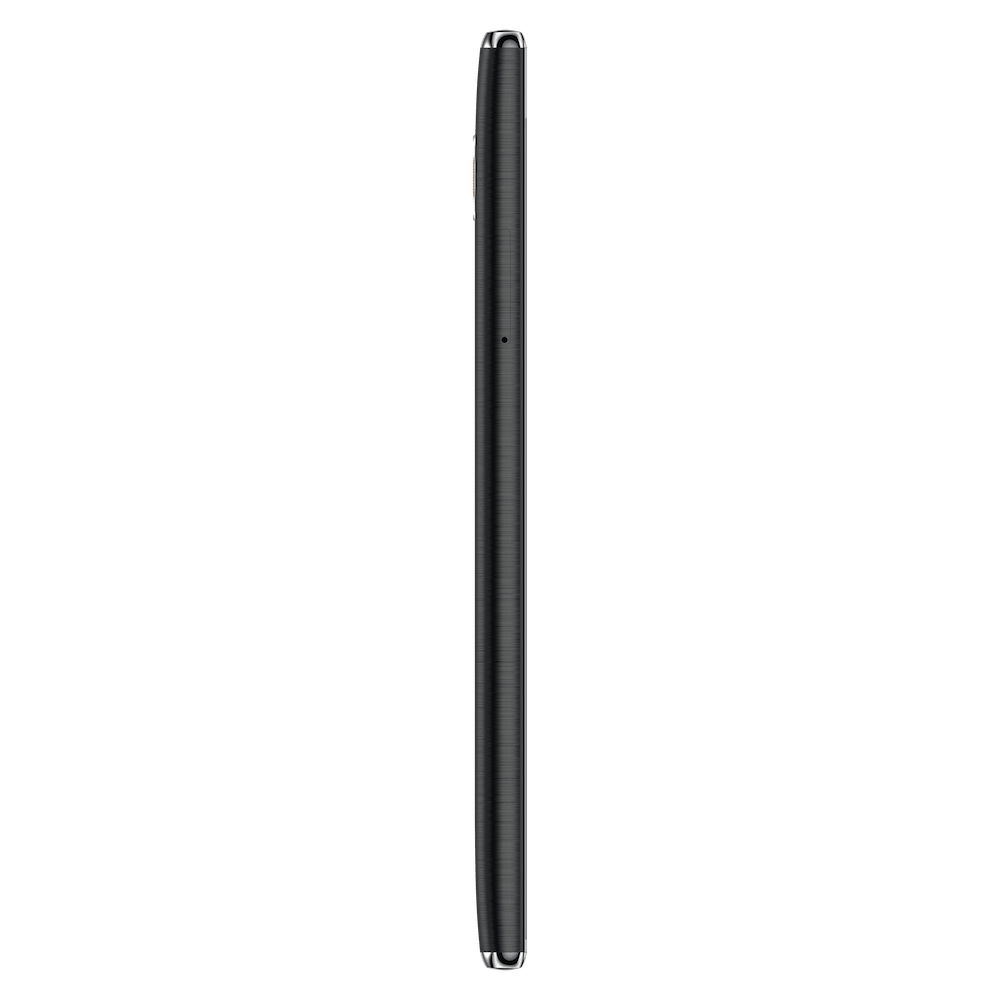
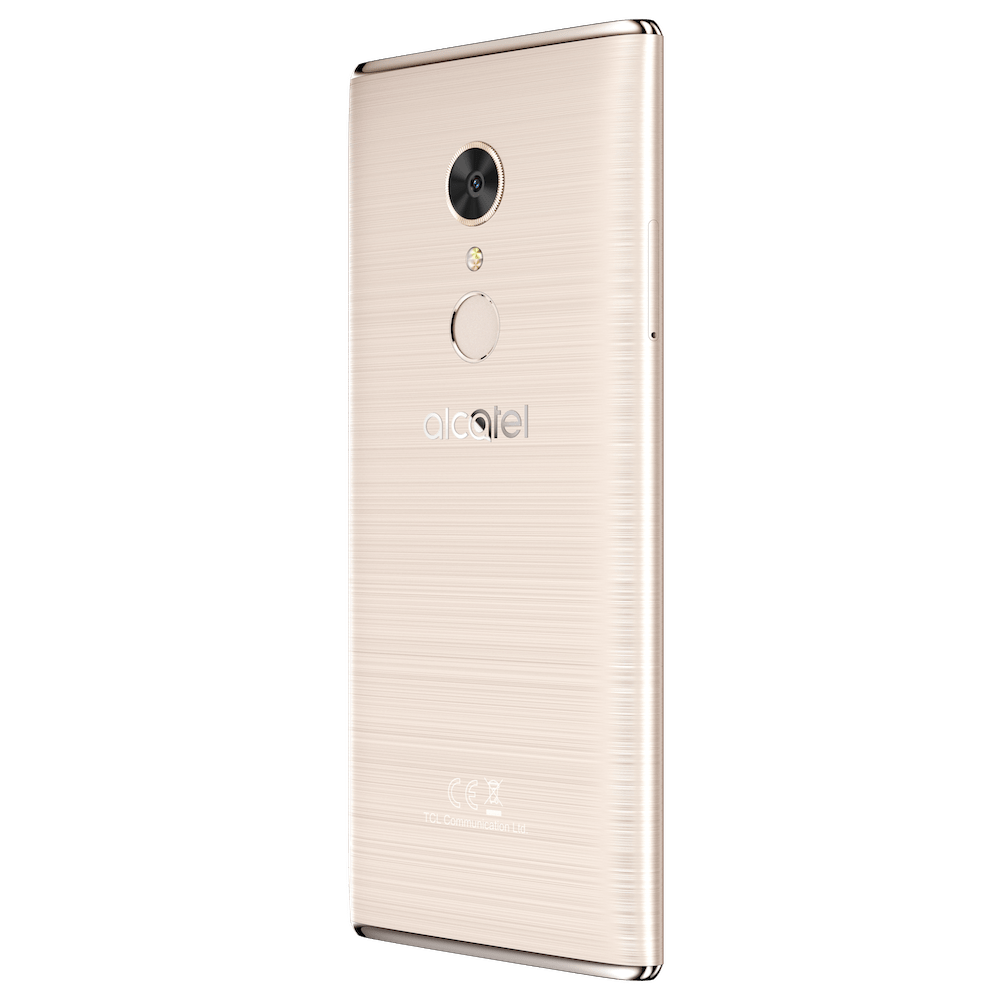
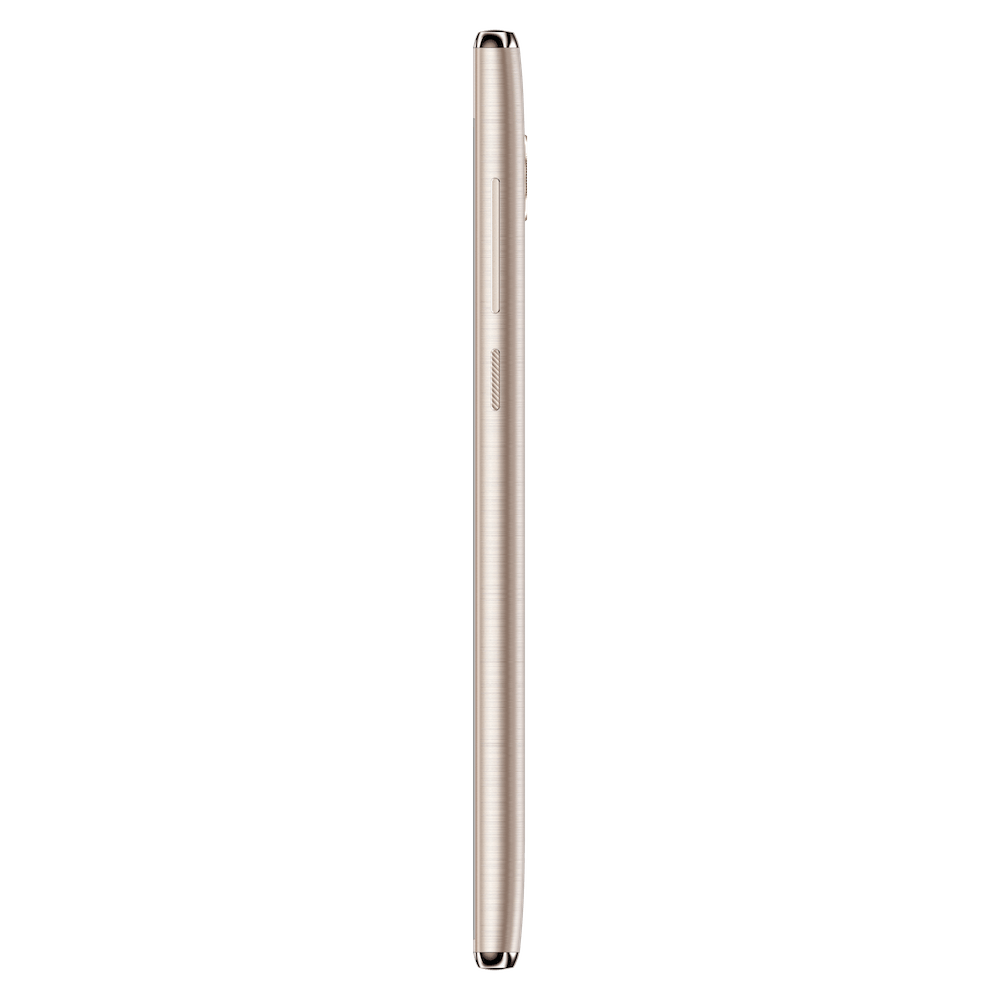
The last smartphone launched was the Alcatel 5 which is the mid-range flagship smartphone from Alcatel.The Alcatel 5 pricing starts at 299.99 Euros (Rs.18,250/-) and as already went on sale in select markets. The device will be available in two colours with Metallic Black and Metallic Gold.
The Alcatel 3X is completely made out of plastic and has slightly curved on the back of the device.The device is having metal painted with matte finish and radial detailing on the back.The device weighs 144 grams and is 8.75 mm thick.
1 of 5
Alcatel 5 sports 5.7 inches HD+ bezel-less display with an aspect ratio of 18:9 a resolution of 1440*720p.The display is covered with 2.5D curved glass on top.The Alcatel 5 is powered by MediaTek MT6750, Octa-core coupled with 3GB RAM and 32GB internal storage space which can be expanded via microSD cards up to 128GB.
Unlike the other two featuring Dual cameras on the back the new Alcatel 5 features single rear camera with 12MP which can be interpolated to 16MP and comes with 5P lens PDAF, and Dual Tone LED flash.On the fronts we have Dual Selfie cameras with 13MP which can be interpolated to 16MP with an aperture of f/2.0 and a 5MP secondary sensor which can be interpolated to 8MP and is having 120 degrees Wide-angle lens, LED flash and 6P lens.
The connectivity option includes Dual SIM with 4G LTE and VoLTE support, Wifi, Bluetooth 4.2, A-GPS, GLONASS, FM Radio, USB Type-C port, 3.5 mm audio jack and a fingerprint scanner on the back.The device also comes with face unlock feature called Face Key.All this is fueled by 3000 mAh battery and runs on Android 7.0.
Alcatel 1T 10 & 7:
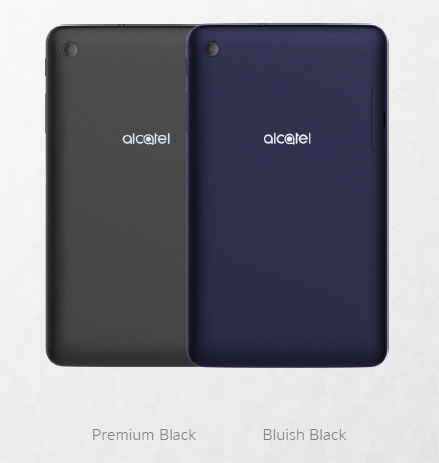
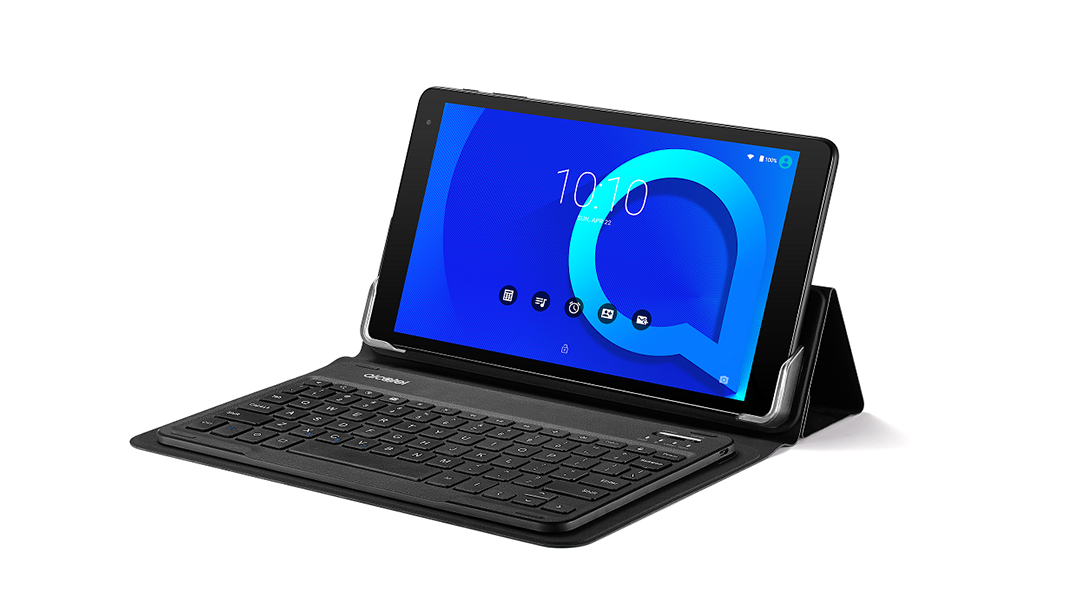
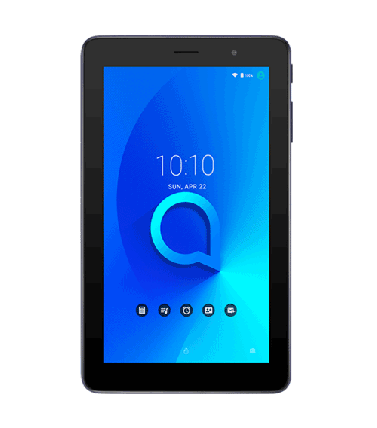
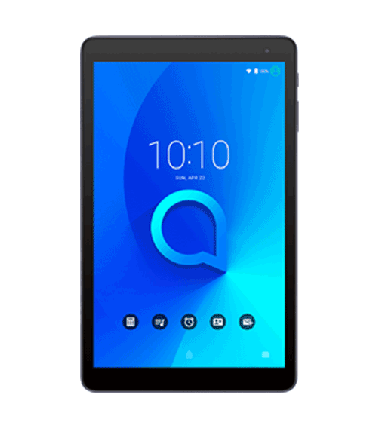
Alcatel also unveiled two new budget tablets with Alcatel 1T 7 inches and Alcatel 1T 10 inches.Both the tablets are made out of plastic and are super light in weight.Both Alcatel 1T 10 & Alcatel 1T 7 will be available later in Q2 across Europe, Latin America and Asia, starting at 99.99 Euros (Rs.7900/-) and 69.99 (Rs.5,600/-) Euros respectively
The Alcatel 1T 7 weighs 245 grams and 9.15 mm thick whereas the Alcatel 1T 10 weighs 415 grams.The Alcatel 1T 7 sports 7 inches TFT display with a resolution of 1024×600 pixels whereas the Alcatel 1T 10 sports 10.1 inches IPS TFT display with a resolution of 1280×800 pixels.
1 of 6
Alcatel 1T 10 is powered by MediaTek MT8321, Quad Core 1.3 GHz whereas the Alcatel 1T 7 is powered by the MediaTek MT8321A/D, Quad Core 1.3GHz both are coupled with 1GB RAM and comes in 16GB storage on Alcatel 1T 10 and 8GB internal storage on Alcatel 1T 7 which can be expanded via microSD cards up to 128GB.
Both the devices feature a 5MP rear camera and 2MP selfie camera.The connectivity option for both the tablets remains same with Wifi, Bluetooth 4.2, A-GPS, Micro USB port, FM Radio and 3.5 mm audio port.Both the tablets also come with special feature Kids mode.
The Alcatel 1T 10 is fueled by 4000 mAh battery whereas the Alcatel 1T 7 is fueled by 2580 mAh battery and both the tablets run on Android 8.1 out of the box.