

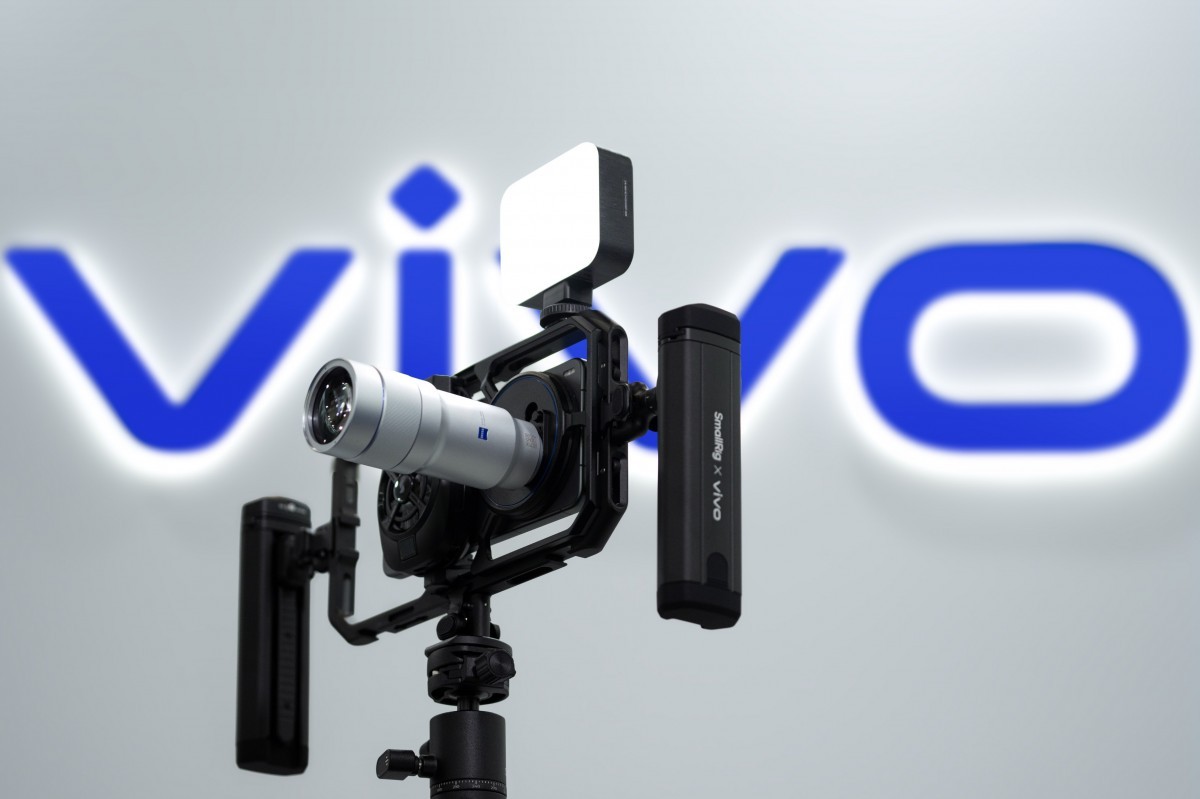
Vivo is once again putting the spotlight on mobile photography with its upcoming Vivo X300 Ultra, a flagship that’s clearly built around its camera system rather than just raw performance.
At the recent Blueprint Imaging Technology Communication Conference, Vivo detailed a new Zeiss-backed “3+2” camera setup: three main sensors, supported by additional optical elements and processing tweaks, aimed at closing the gap between smartphones and compact cameras.
The ultra-wide camera uses a large 1/1.28-inch Sony LYTIA 818 sensor, combined with Vivo’s VCS bionic spectrum tech and Zeiss T* coating. Vivo claims better light capture and CIPA 6.0-level stabilisation, which should help keep wide-angle shots cleaner and more stable, especially in low light.
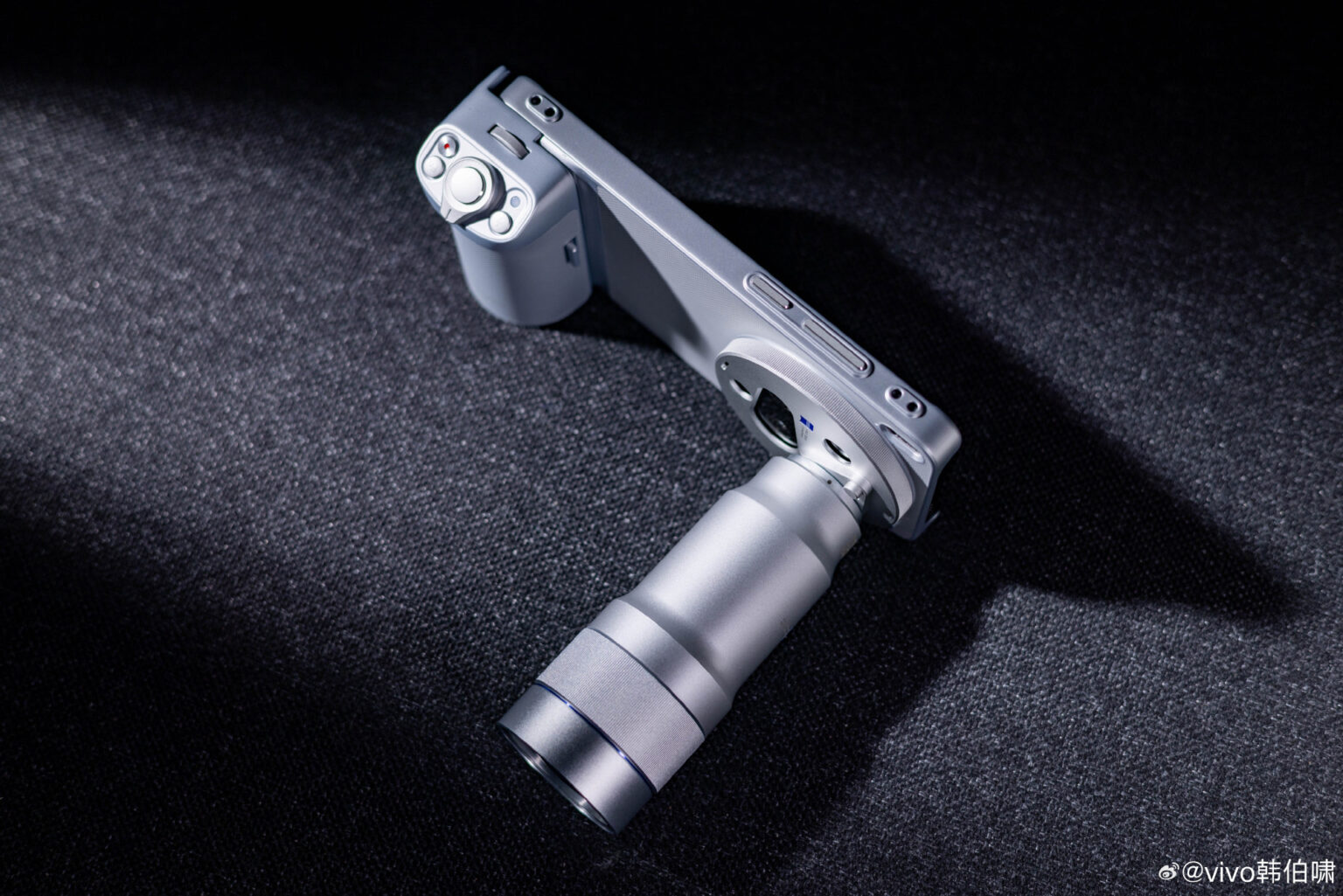
The main camera steps things up further with a 1/1.12-inch 200MP Sony LYTIA 901 sensor, making its first appearance in a smartphone. It’s paired with a redesigned lens structure to reduce reflections and improve light intake, supported by updated noise reduction and HDR algorithms for more detailed, balanced images.
The telephoto system is likely to be the star of the show: a 200MP periscope module based on Samsung’s HP0 sensor with CIPA 7.0 “gimbal-level” stabilisation. Vivo is also introducing G2 Ultra teleconverter options, pushing the effective focal length up to around 400mm — unusually long reach for a phone and edging into serious zoom territory.
Vivo has already shared sample photos from the main and telephoto cameras, underscoring its intent: the X300 Ultra isn’t chasing specs for marketing alone. Instead, it’s trying to offer a phone that can genuinely stand in for a compact camera in scenarios like long-range zoom and challenging lighting.