
Google is reportedly working on a major upgrade to its face unlock system for the upcoming Pixel 11 series and future Chromebooks, aiming to match the speed and reliability of Apple’s Face ID. Internally, the project is known as “Project Toscana.”
Project Toscana:
According to a source who claims to have tested the new system, the face unlock on Pixel 11 devices will not rely on any additional, visibly separate hardware—at least not in the way we’re used to seeing on other phones with big sensor cutouts. It’s still unclear whether Google is using infrared tech similar to Apple’s. If it is, the IR components would be hidden under the display. Interestingly, Apple is also rumoured to be moving its Face ID sensors under the screen with the iPhone 18 Pro and 18 Pro Max.

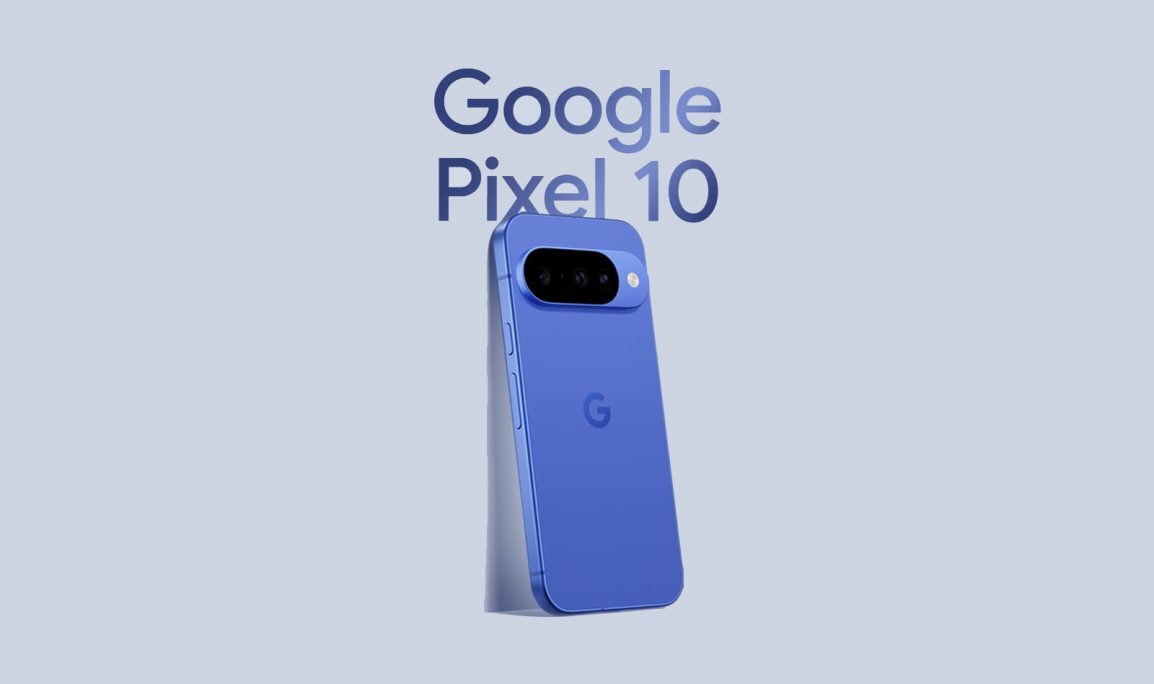
Visually, the Pixel 11 is expected to look a lot like the Pixel 10, but the experience should feel noticeably different. The updated face unlock is said to work just as well in dim rooms as it does in bright daylight. Last year, there were already reports that Google was planning to bring IR-based face recognition to the Pixel 11 lineup, and this new information strongly suggests that’s exactly what we’re seeing here.
Chromebooks too:
What’s more, Google isn’t limiting this work to phones. The same technology is reportedly being developed—and at least internally tested—for Chromebooks. That could mean future ChromeOS laptops and tablets might also gain secure, fast face unlock, though it’s too early to say which models might get it or when.
The person behind the leak claims Google’s new solution is comparable in speed to Apple’s Face ID on iPhones, which would be a big step forward for Pixels. Unlike iPhones, however, Google’s phones already offer fingerprint scanners, so users will likely be able to choose whichever method they prefer—or use both for added convenience. Having a face unlock system that remains reliable regardless of the lighting conditions around you would be a welcome quality-of-life upgrade.
For now, we’ll have to wait for official confirmation from Google, but if these reports hold up, the Pixel 11 family and future Chromebooks could offer one of the most versatile and seamless biometric setups on the market.